Camera: Vivitar PS45P Panorama
Film: Ilford HP5 400
I really like cheap consumer cameras. Whenever I go thrifting I keep an eye out for 35mm point-and-shoot cameras or any other basic plastic camera that might be in good enough condition to use. I especially like when they have some little gimmicky feature or design or attempt to add high-end features to a clearly low-end camera. Which is exactly what I love about the Vivitar PS45P Panorama (1997).
I got lucky in that I found it in the original box, looking like it’s never been used at a thrift store outside of Mankato, MN. They were selling it for $12, so I picked it up alongside another promising-looking Vivitar point-and-shoot. It takes AA batteries (a blessing, many old cameras have their own battery/charging system which is typically gone and is no longer manufactured) so it was easy to get working. I loaded it with some Ilford HP5 400 ISO film and met a friend for coffee in a well-known industrial area in Minneapolis to take a test roll. If it worked, it worked; if not, then I waste one roll of film and $12.
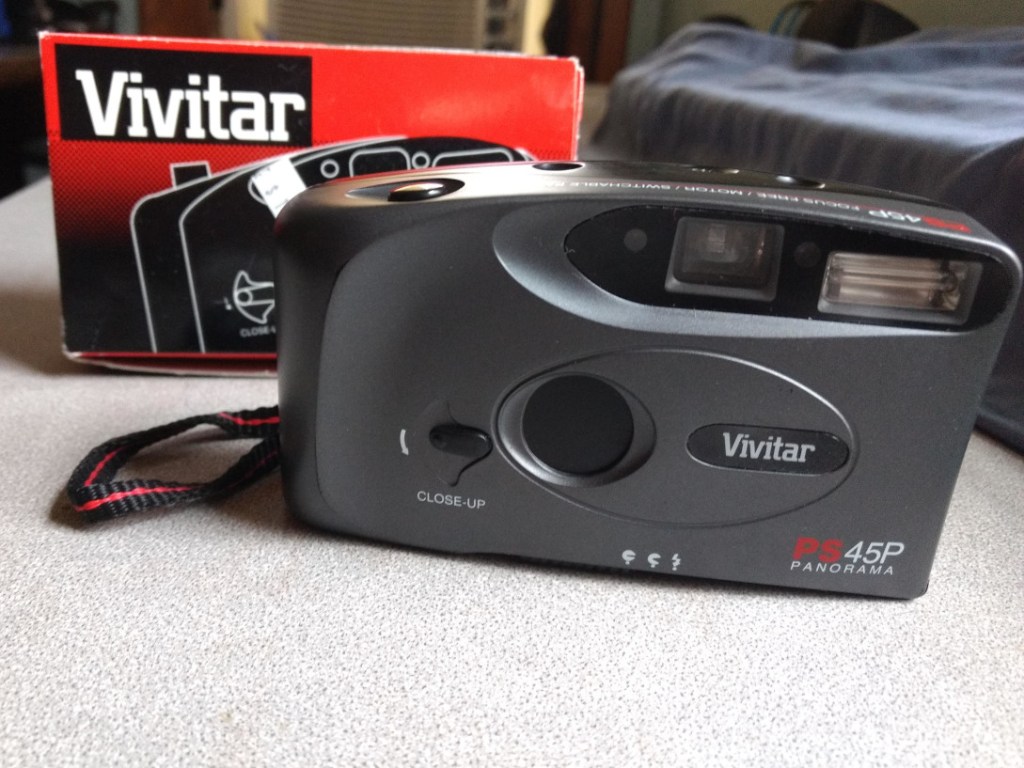
Lomography does a must better job than I can spec-ing out this camera (and alas, they found it for even cheaper than I did), but here’s what I notice about it:
- The lens is a 29mm with an f/Stop Range of f/5.6. It definitely has the best definition in the center of the lens with lower quality around the edge, as well as some vignetting. Also, I found that the camera struggles with bright light as the lens tends to bend light in to the film depending on your angle. My shots are all outdoors in full sun, and those that were very brightly lit had issues with light artifacts appearing on the film.
- The focus range is from 5ft – infinity, but it features a ‘close up’ lever on the front which is supposed to put the focus into macro mode around 2.6ft. This switch will, however, reset to the default ‘off’ position after each picture. I tried a couple images in each mode and the macro mode is tricky. I think the camera does best with subjects that are anywhere from 5 to 15 ft from you, with anything further being a little out-of-focus, even if in the center of the frame.
- Electronic components include a flash with red eye reduction and automatic film advance and winding. It’s loud, like you might expect a camera from this era to be, but it’s at least quite quick.
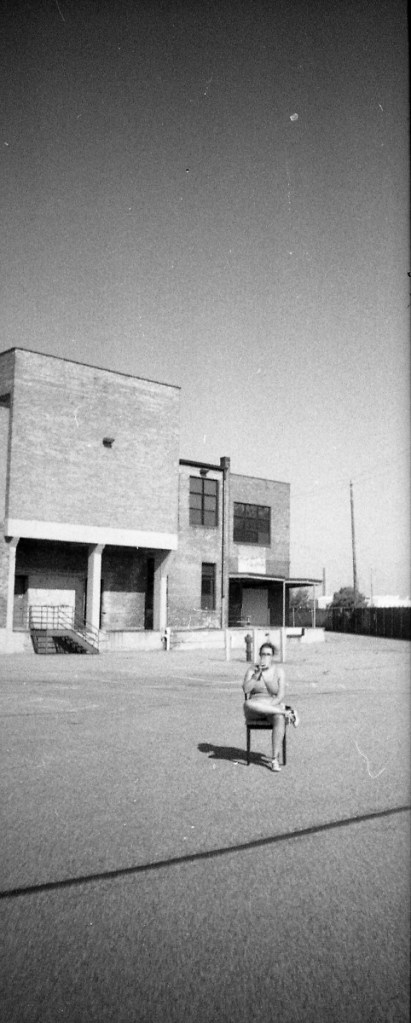
- The panoramic feature is not a true ‘panorama’ – when you turn it on (which you can do at any time) two shutters are dropped in to the frame to automatically crop the picture to a wider angle. I love this. It’s such a kitschy solution to the cost problem of typical panoramic cameras. In addition to the light artifacts on the film, I find that depending on where your light source is, this frame does not block all light through and often fragments of refracted light ended up on the ‘blocked’ areas of my film. This doesn’t stop me from using it, but did cause scanning problems which can be pretty easily resolved if I spent more time adjusting my scanner settings for each individual frame.
- Recommended film stock is from 100-400 ISO. I shot with 400 ISO and found it worked fine. I can see struggling with this camera in lower light, but the flash seems adequate for indoor photography.
Worth it? Sure. I feel like this is a fun little camera that will get some grittier, lo-fi kind of shots in scenarios where you’re not expecting much more than that. If I really want something to turn out, I still prefer my Olympus XA as a carry-around and travel camera and my Minolta X7A for anything more involved. But I think this is a nice little piece to have.
I’m breaking the images in to two sections on this post – this first section details the features and compares shots from the camera:
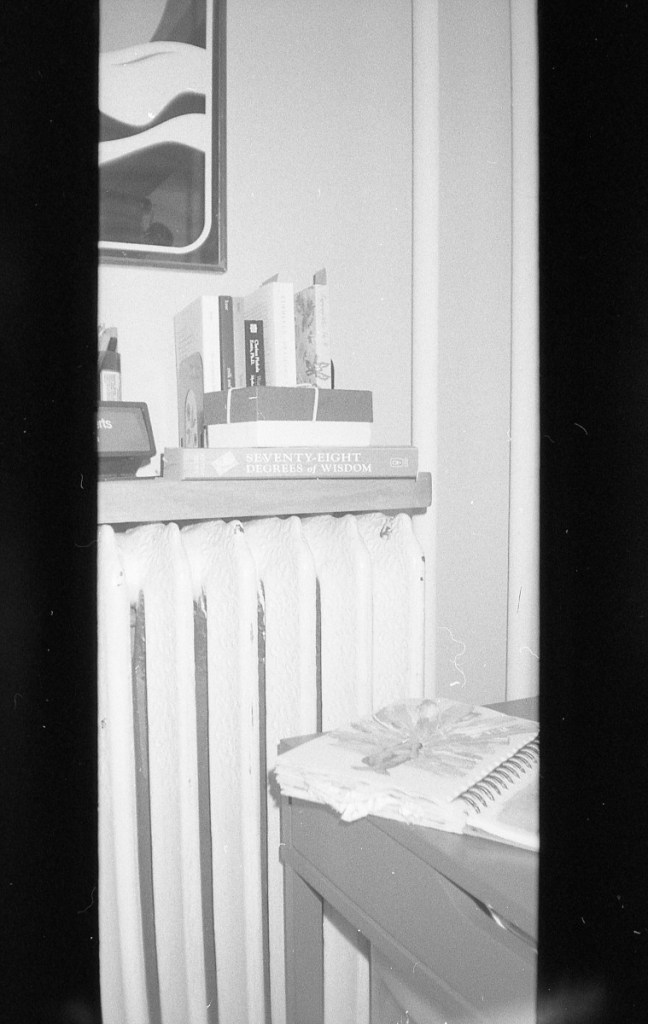
My only image using flash – it seems to work alright but I do notice that the light from the flash still leaks around the edges of the panoramic crop at the bottom of the image. 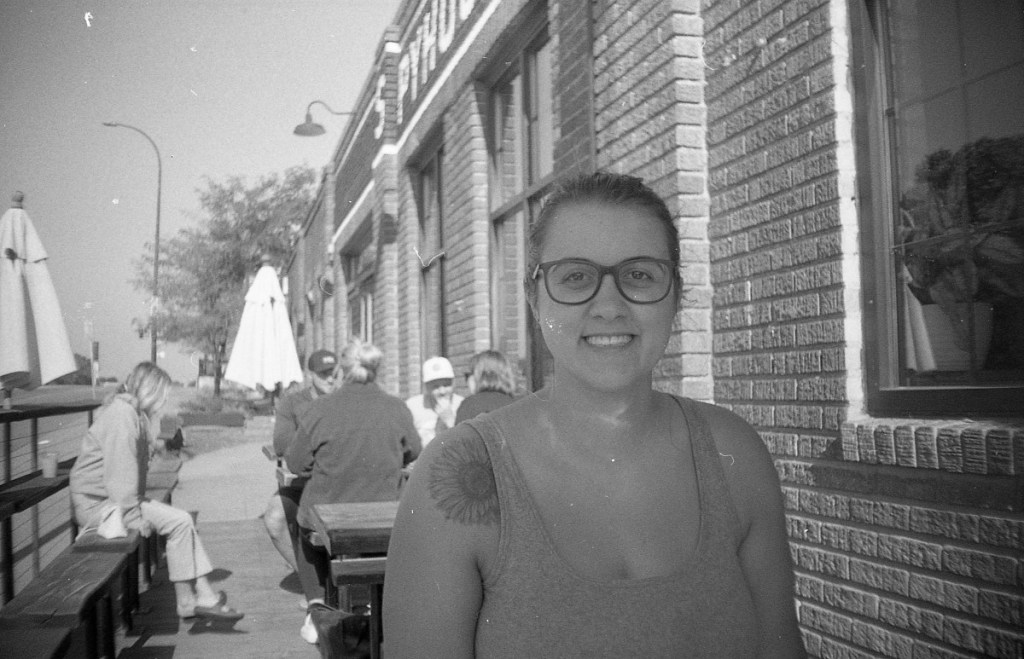
Comparison with and without panoramic mode, this one without. 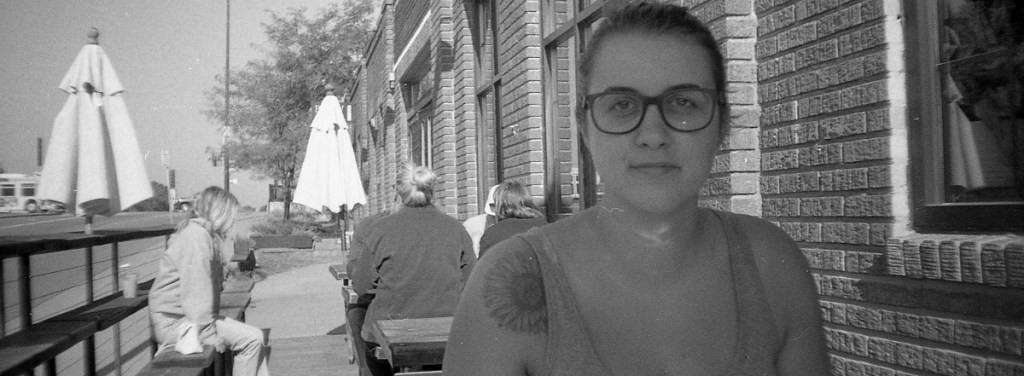
Here’s the same image using the panoramic mode. 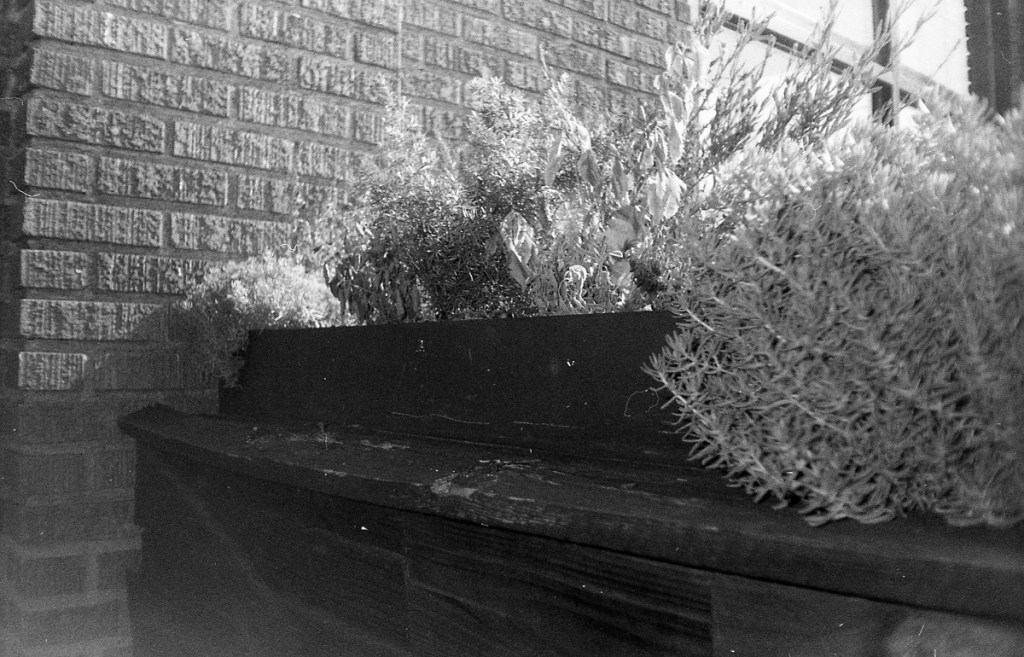
Tried some plants using the macro mode. Frankly this image makes me dizzy. 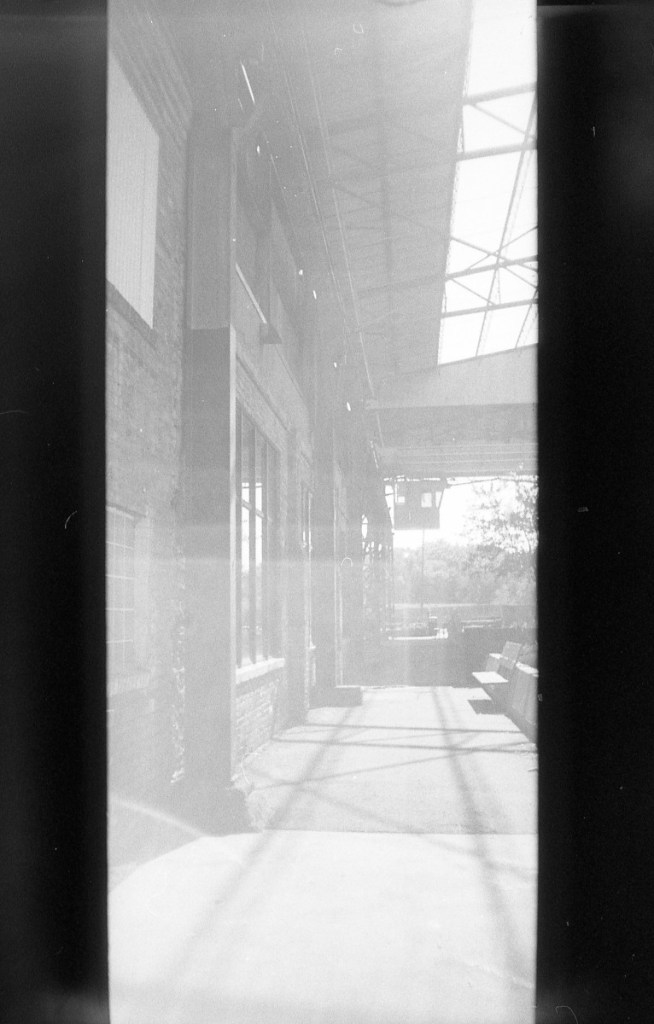
The light artifacts, as an example. The sun is to my direct right, so the angle of the light seems to refract around the lens creating this mess. Worth nothing for future outdoor use. 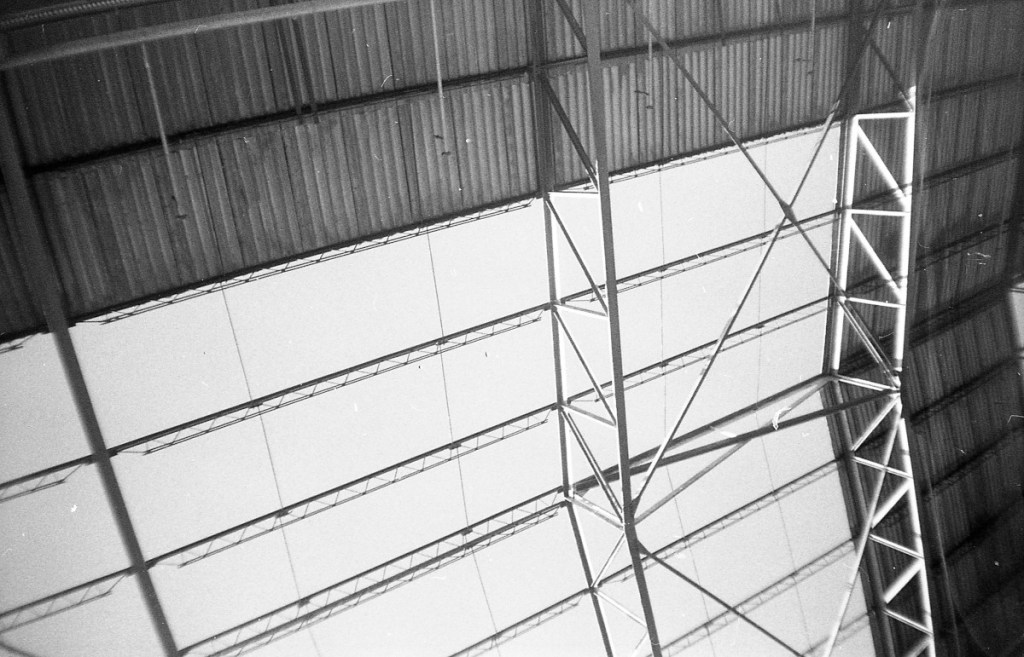
Here’s a non-panoramic view where you can really see the image quality and vignetting around the edges.
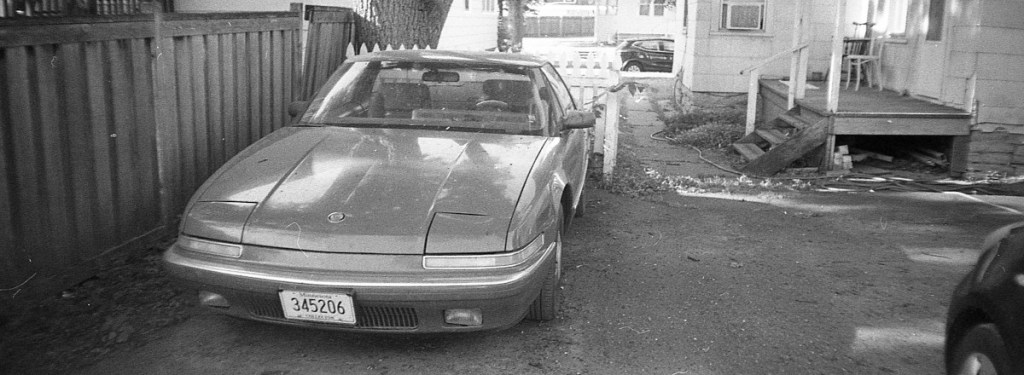
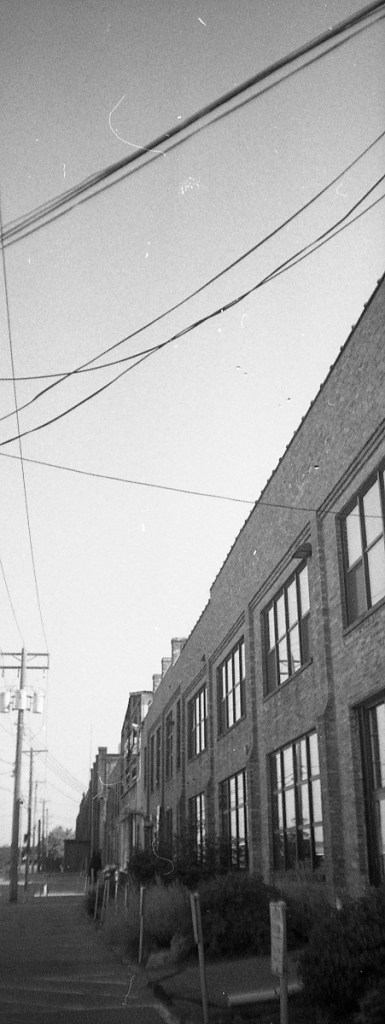
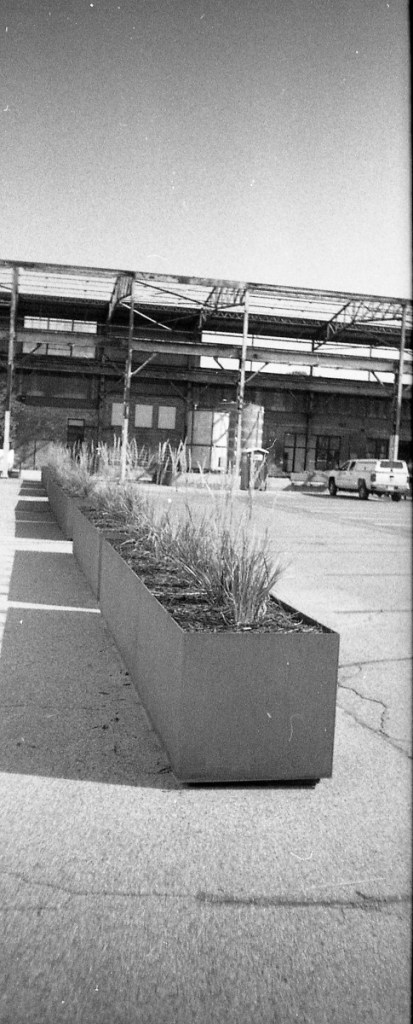
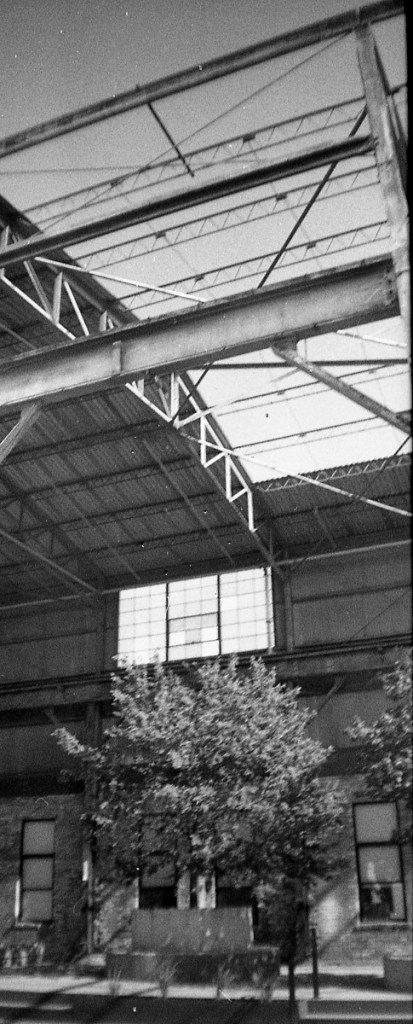
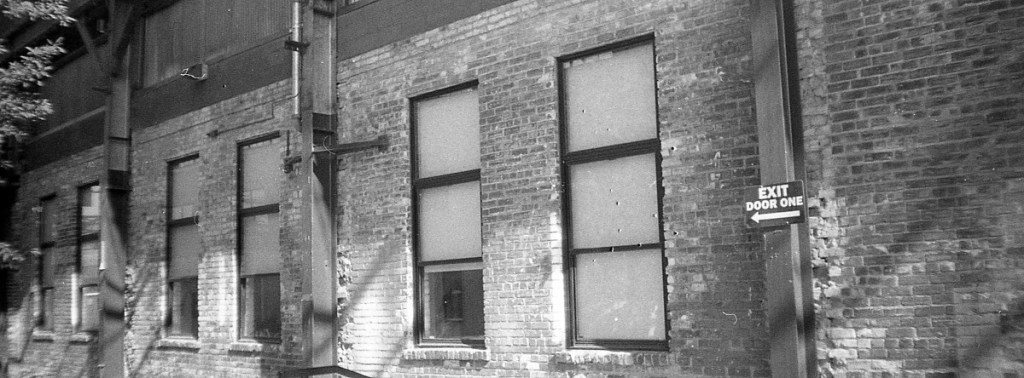
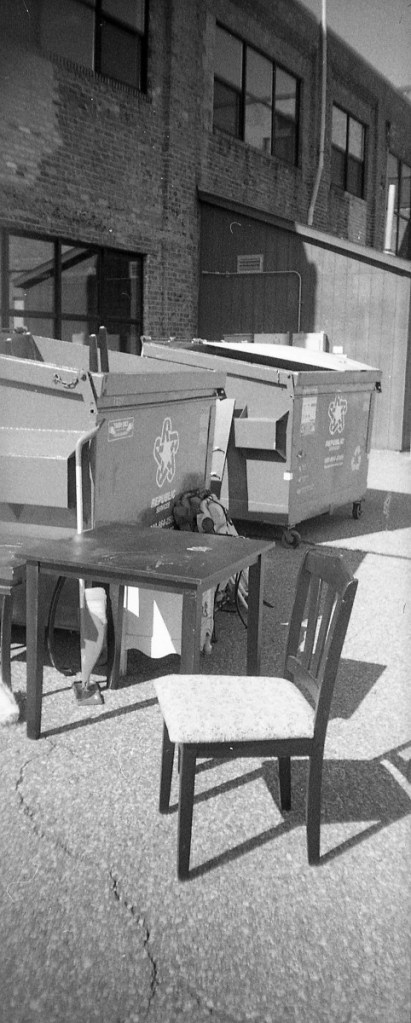
And then here’s the shots I really loved:
 rebeccah.photo.blog
I like the picture with the table and chair—- has a trash/treasure theme to me. I wonder if the table and chair could talk what they would say… if they still feel useful. Do we make older adults feel this way?
💟 wow
LikeLiked by 1 person
I sure hope not!
LikeLike