It’s been a while since I posted anything at all on this page. I took a break, unintentionally, for no reason other than I forgot about it. I swear I’m coming back to it now, and I’ve done some work unrelated to photography in the meantime so I think the scope of this page may change but for now we’re sticking with photography, particularly experimental photography.
As most know by now, quarantine happened when the pandemic came to us across the world early in 2020. By March I was working full-time from home, which hasn’t been particularly unpleasant but also seems to have slowed me down on my photography and all sorts of other personal things I had going. Balls get dropped, and the only thing to do is pick them back up. It is now July and I’m behind by a while. I digress.
I started doing lumen printing as an easy self-isolation experiment that I could set out for a few hours while I was working and come back to later in the day. You use the sun and photosensitive paper in order to capture the shadows of objects over time. The onus for this was finding some photographic paper that my partner had saved from college when we moved in early March, and not having the space for a proper dark room but still wanting to do something with the paper scraps that he had left. I wanted to use it still, and this is a good project for many reasons – it’s cheap to free (even if you have to buy your own paper), it’s low-investment, it’s easy, and it tests your eye for composition and shape.
There are tons of great tutorials for lumen printing, and this entry isn’t one. But I used this blog post from alternativephotography.com and this lomography.com post as my starting point. My process over time has become thus: pick some objects, crush between paper and glass, then set in the sun for 2-3 hours. I then fix the resulting images in a Ilford Rapid Fixer bath and then rinse thoroughly before leaving out to dry. Some nuance I’ve found that I’ve learned to exploit – wetness creates darker spots and thicker objects or layers create lighter areas, water is complicated because sometimes it is your friend and other times it is your enemy. Plant matter is the old standard for lumen printing, and I avoided it at first but have come to embrace it because of how lovely organics are. Also, the better of a seal you can get between the glass and the paper and the dryer your objects are, the better chance you have of capturing really interesting translucent x-rays.
What’s funny for all their simplicity is that these prints are some of the first that I have sold! I’ve used up all of my photographic paper and have some on backorder for more some day in the future.
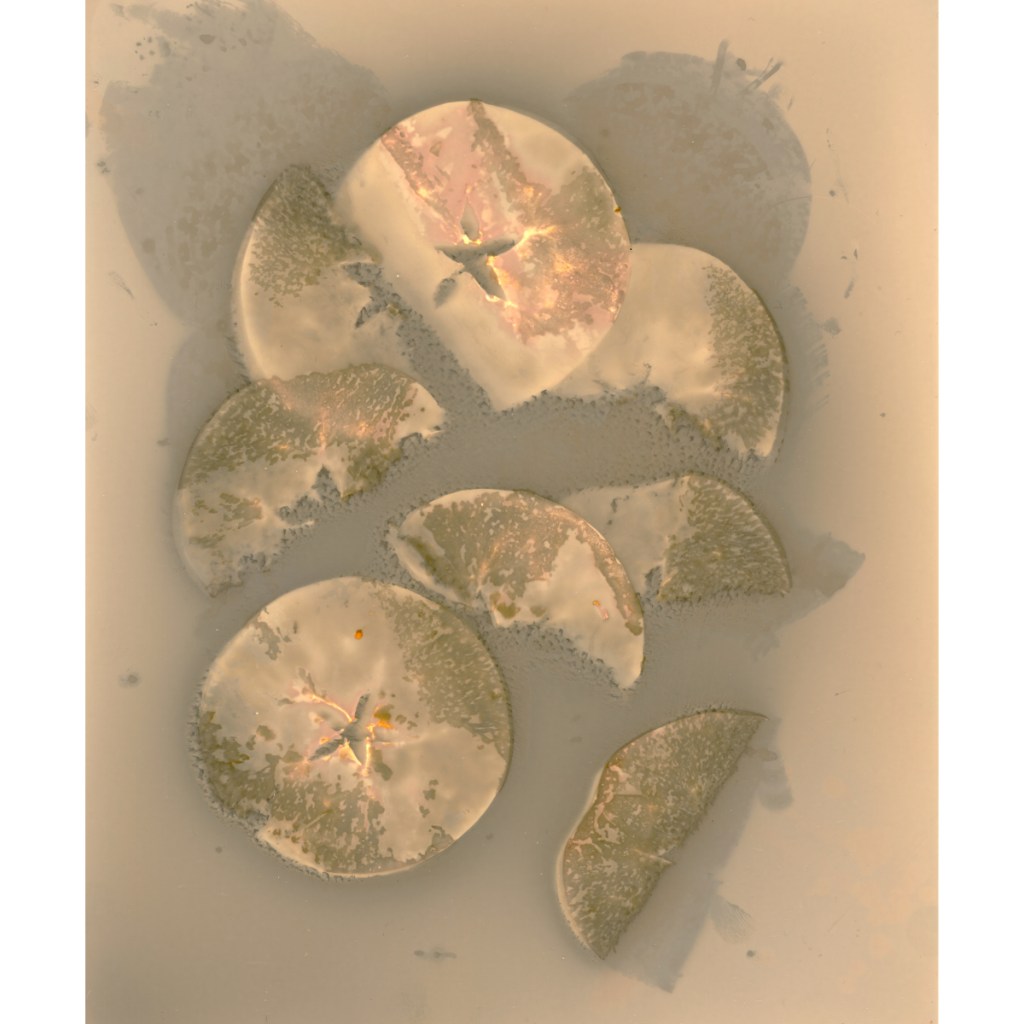
Apple slices. 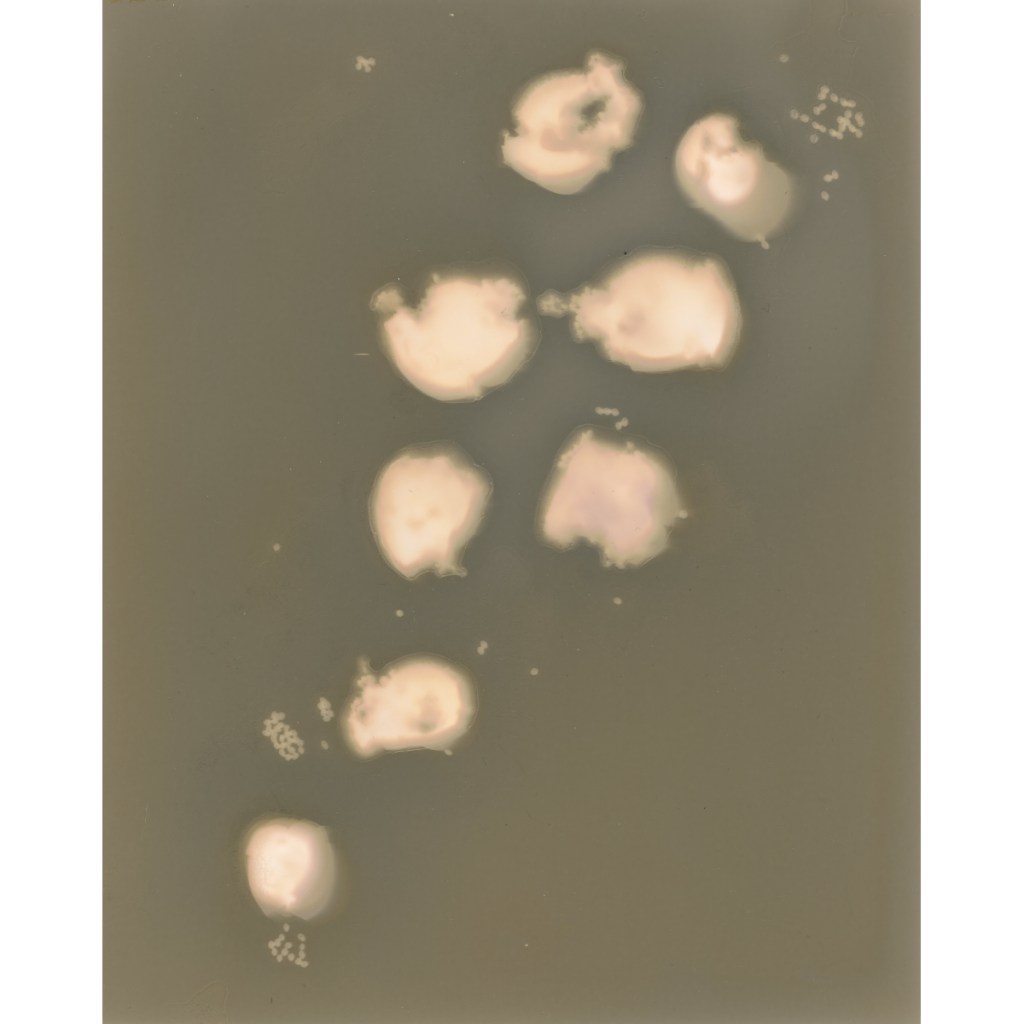
Crushed berries. 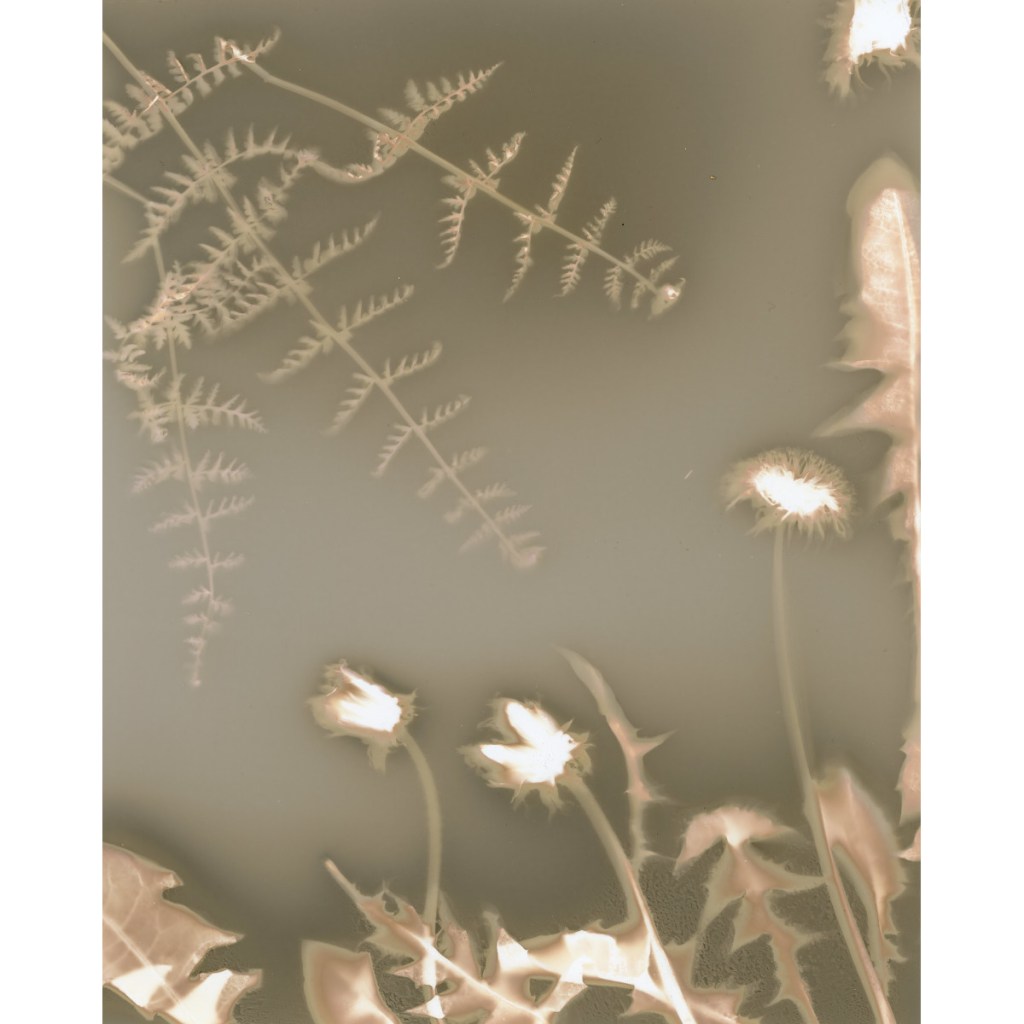
Dandelion and fern. 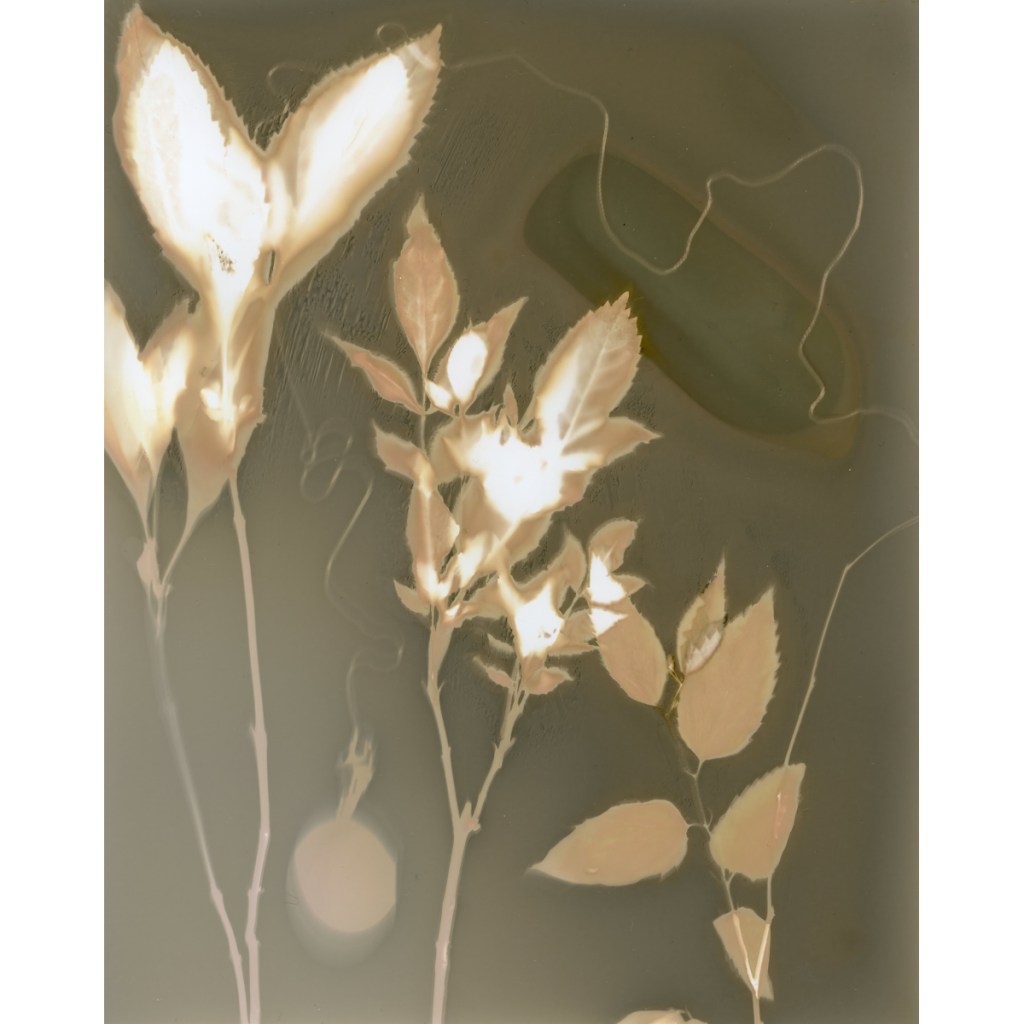
Locket and unknown plant life. 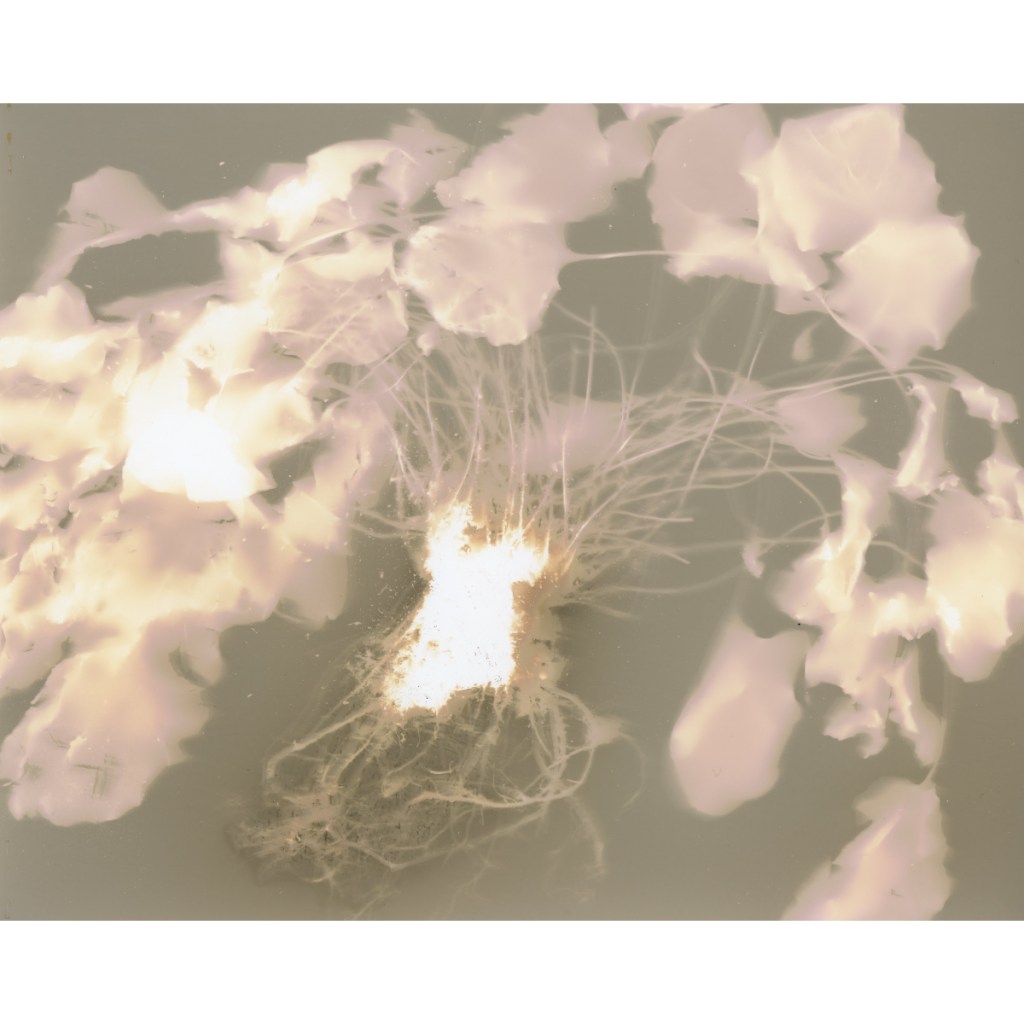
Dead office plant. 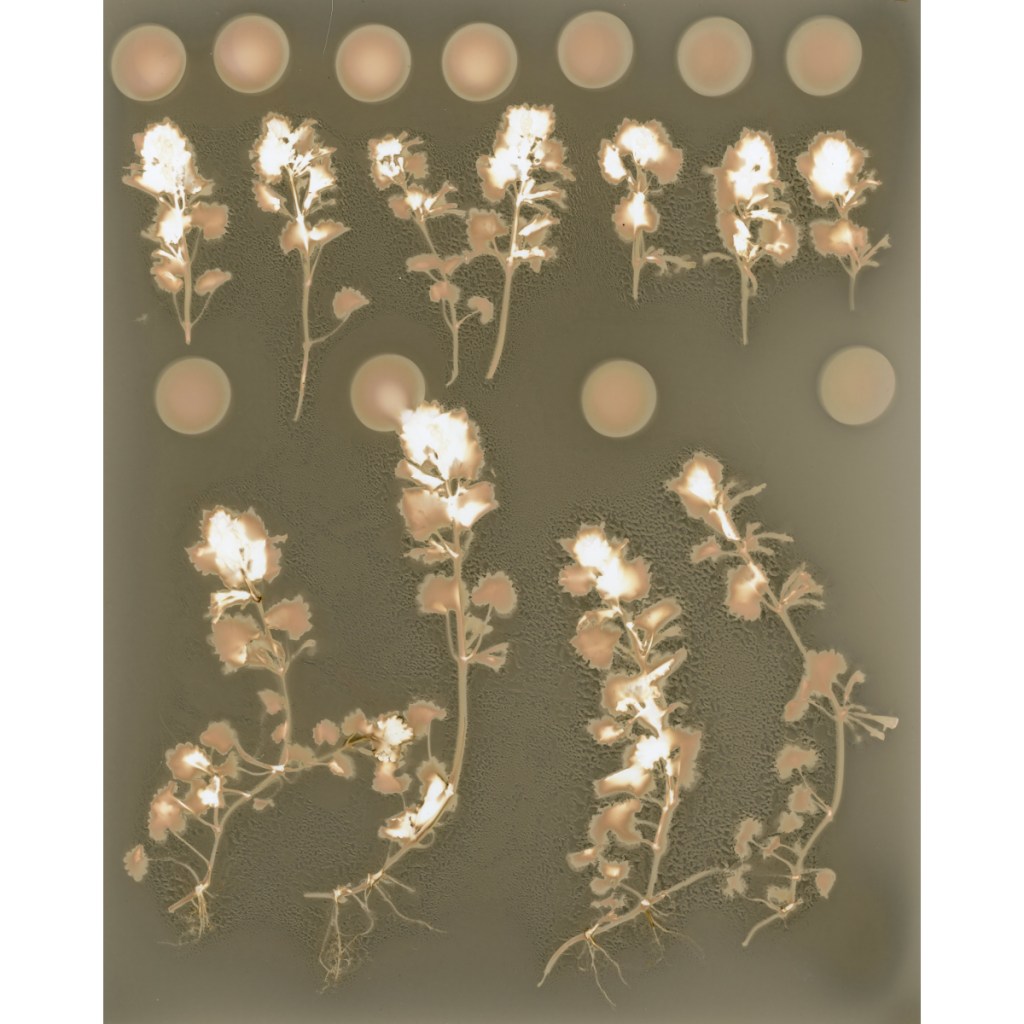
Ground Ivy and pennies. 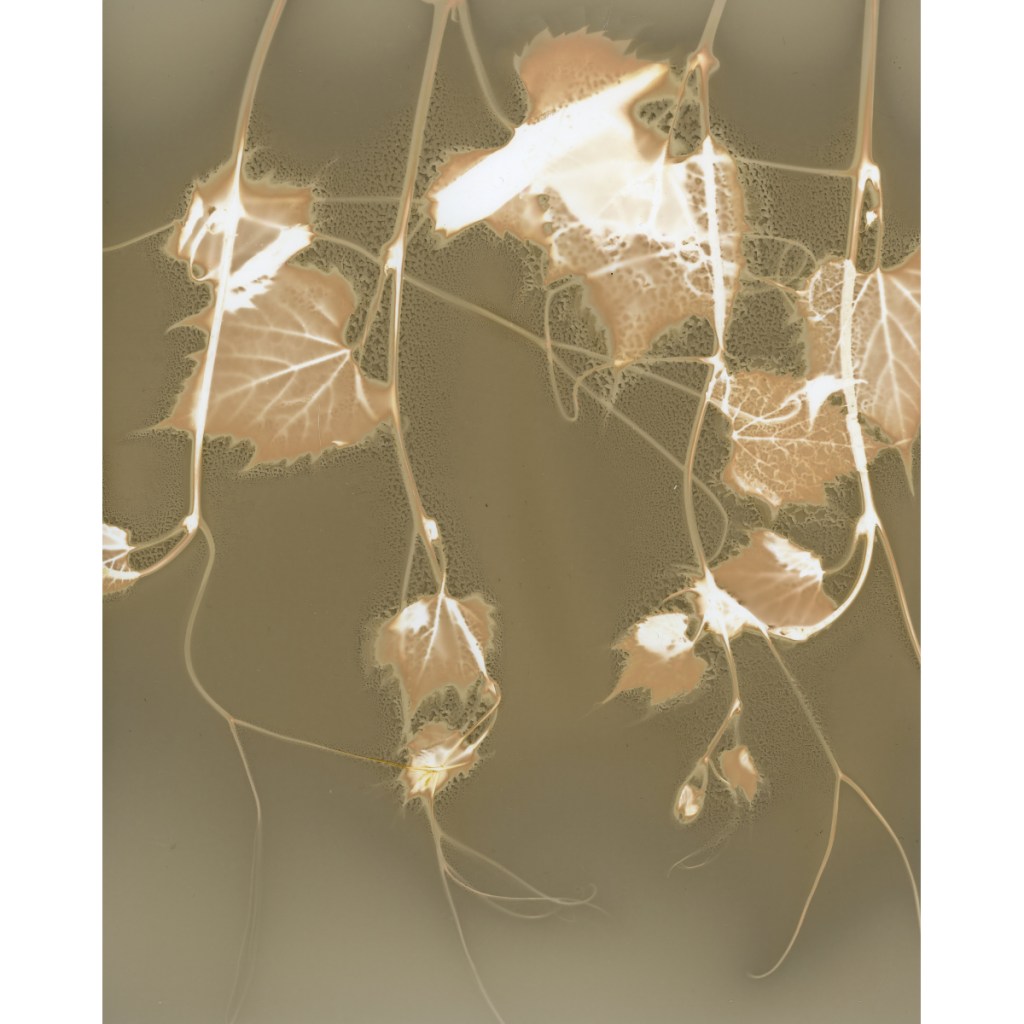
Boston Ivy #1. 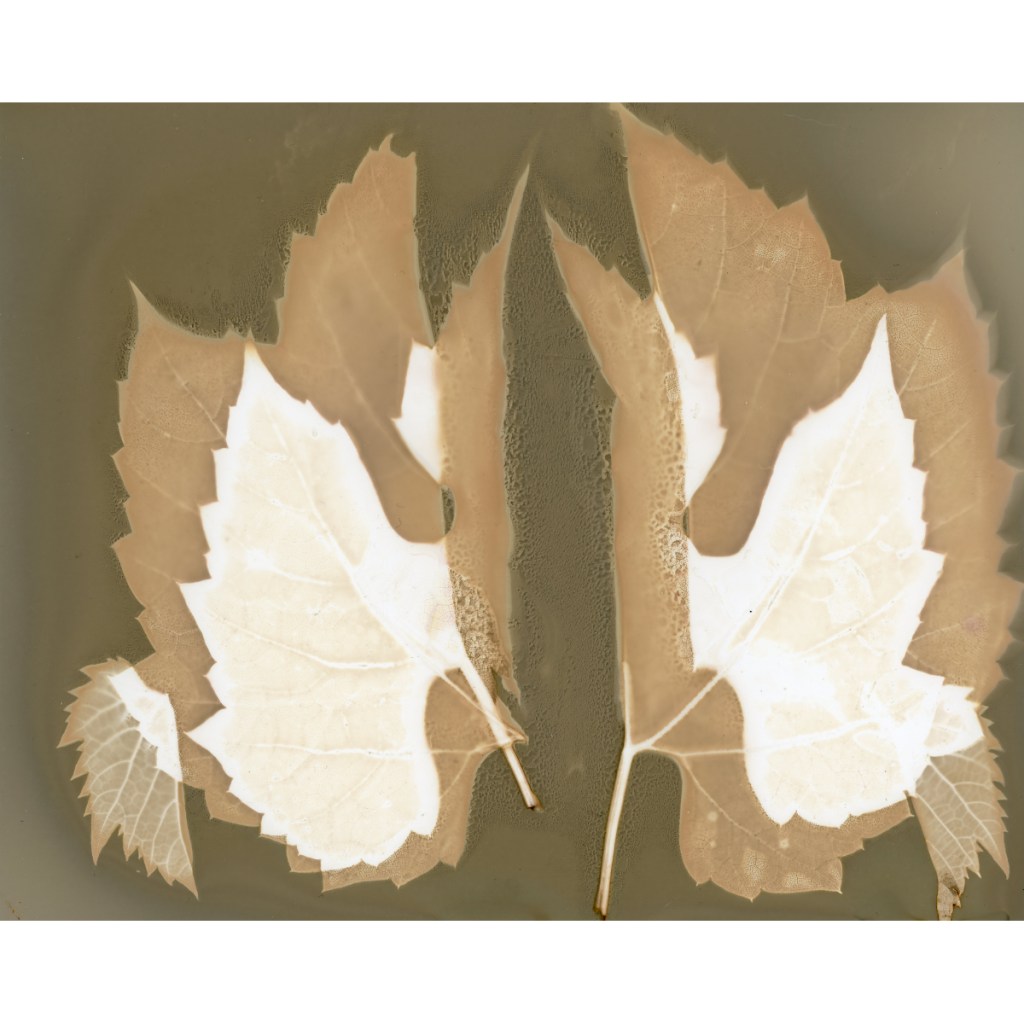
Boston Ivy #2 (split). 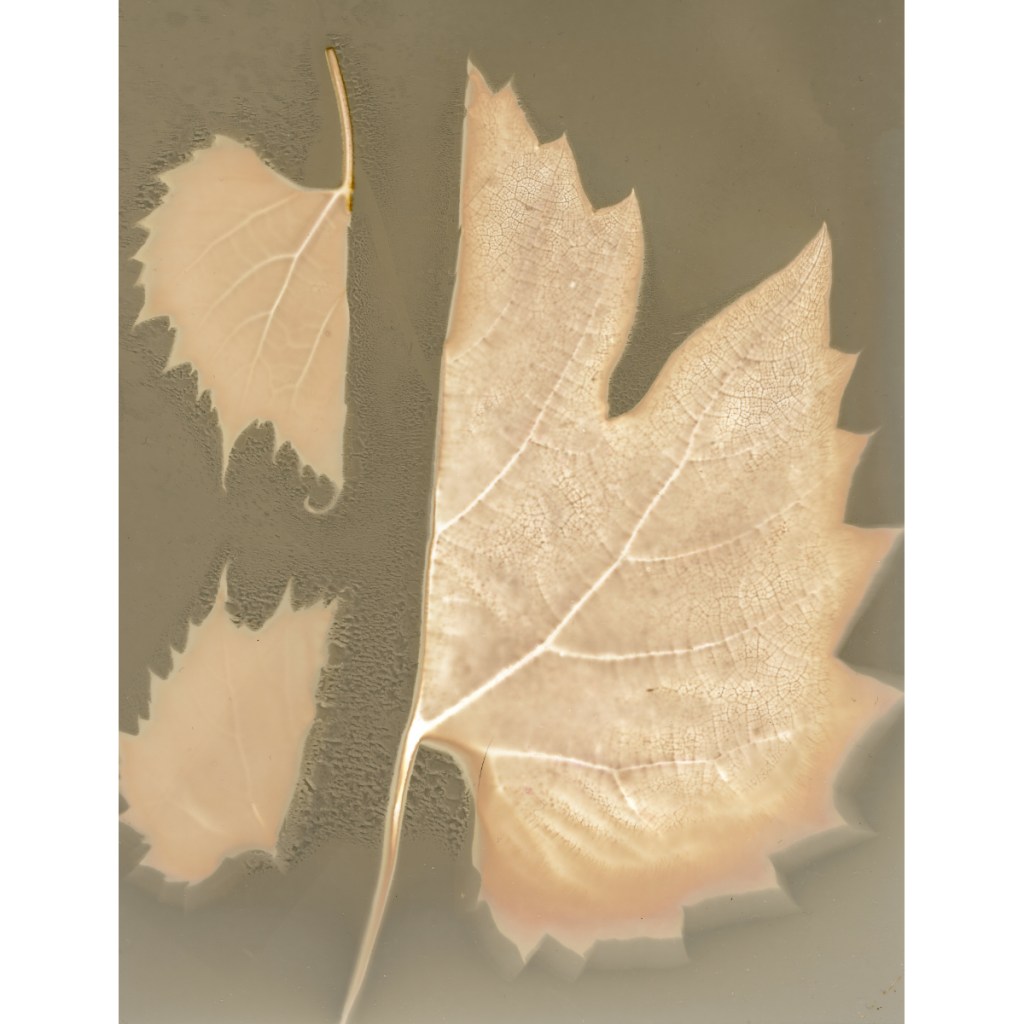
Boston Ivy #3 (split). 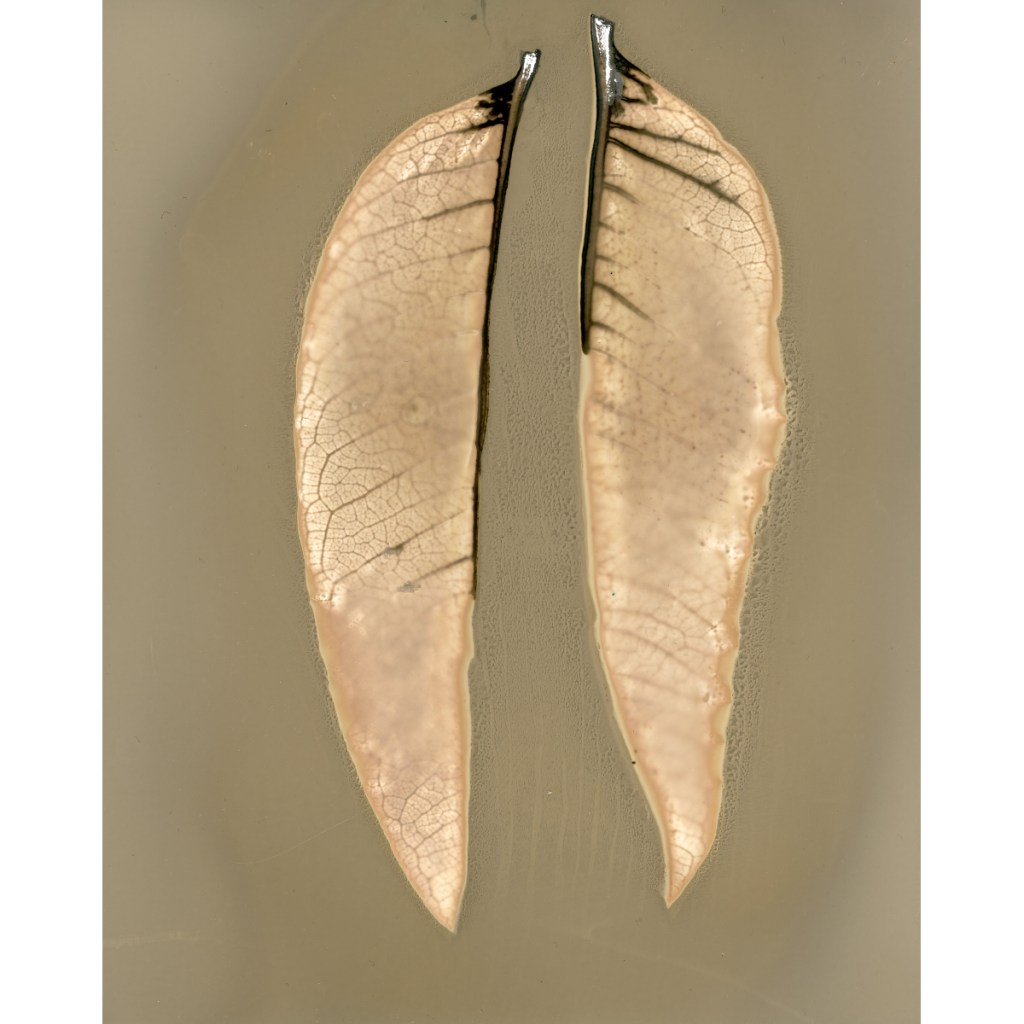
Split milkweed.
 rebeccah.photo.blog