I used to be a musician and always resisted the temptation to fall in to the mentality of ‘gear head’ – someone who over-collects gear and tech to enhance their art just by means of having compared to those who do not have. In my photography, I try very hard to fall in to this same trap. However, I’m finding in this realm it’s hard not to – I love the DIY spirit in a lot of my photographs and my developing process, but I always feel only one or two purchases away from making the whole process easier on myself (and the same number of purchases away from being totally broke).
One big gap I was finding in my photography as I got more and more in to developing and printing was that my scanner was under-performing. I had been using a Veho Smartfix for quite some time. It was cheap and had the kind of plug-and-go functionality that I wanted. I really just wanted to review and post my negatives on Instagram, and any editing would be done in post to adjust color or remove scratches and dust.
As I’ve progressed as a photographer, I’ve found more and more that I desired a real clarity and resolution to my pictures, and that I wanted a scanner that not only did the scanning, but also that did a lot of the color and dust fixing for me, before I even got to editing. Truthfully, I hate the editing process. I find it tedious and boring. I love the thought and science that goes in to taking a picture and developing it. I like the tangible feel of holding a camera and mixing my chemicals and gauging my temperature and spooling the film not knowing exactly how anything is going to come out. Editing was the exact opposite of that. Nothing is tangible about sitting at a screen and adjusting up and down bits of digital minutia, trying to compare the feel I had in my head and the feel that I wanted out of my photograph. I was finding with the Veho Smartfix I was spending more time than I wanted editing rather than doing the things I loved most about analog photography.
With my holiday bonus from work this year, rather than paying off my student loans, I chose to invest in a scanner for myself that would have the kind of resolution, dust reduction, and color adjustment I wanted built-in so that I could spend less time editing and posting and more time just taking and enjoying my pictures. I did a lot of research and settled on the Epson Perfection V600 scanner. I chose a flatbed scanner because I thought it would be nice to be able to expand the size and range of my scans, and also because the scanner has powerful photo adjustment software included that really allows me to be precise about my scans before taking them. I am over the moon about this scanner.
The photos below are side-by side of what I could get from the Veho vs. what I could get from the Epson. These are really early pictures from when I first started taking 35mm film, from a wedding at the Glensheen Mansion I went to back in July 2017. They’re not beautiful, and way over-developed from when I was first learning. But I can get so much more out of the Epson than I ever could out of the Veho.
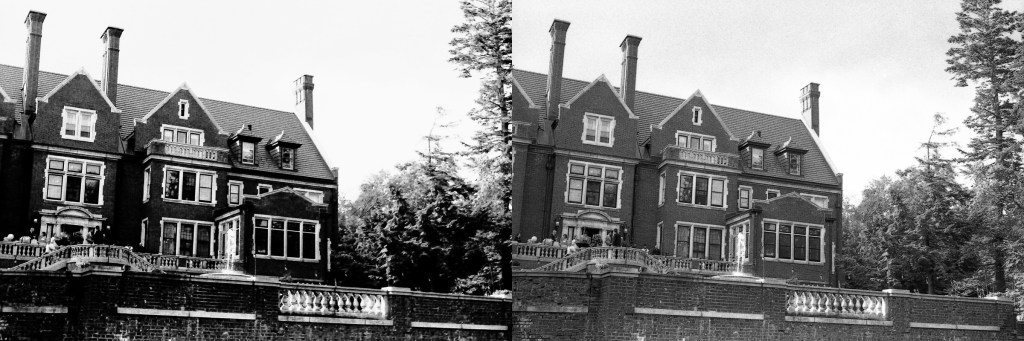
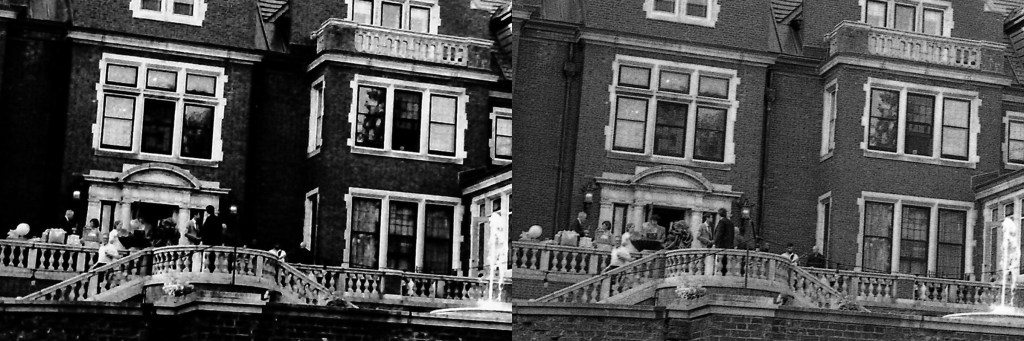
I’m still learning how to use the Epson scanner; there’s so much built-in capability. The scans take much longer to complete, but you can do many more images at a time and can adjust the settings for each individual exposure prior to executing the scan. I use Windows 7 on an old computer attached to the scanner to work – the necessary software is not available for Ubuntu which is my primary computer. I’ll make a note that while these images are only edited together and not adjusted in any way, I use GIMP for all of my editing (in case you were curious).
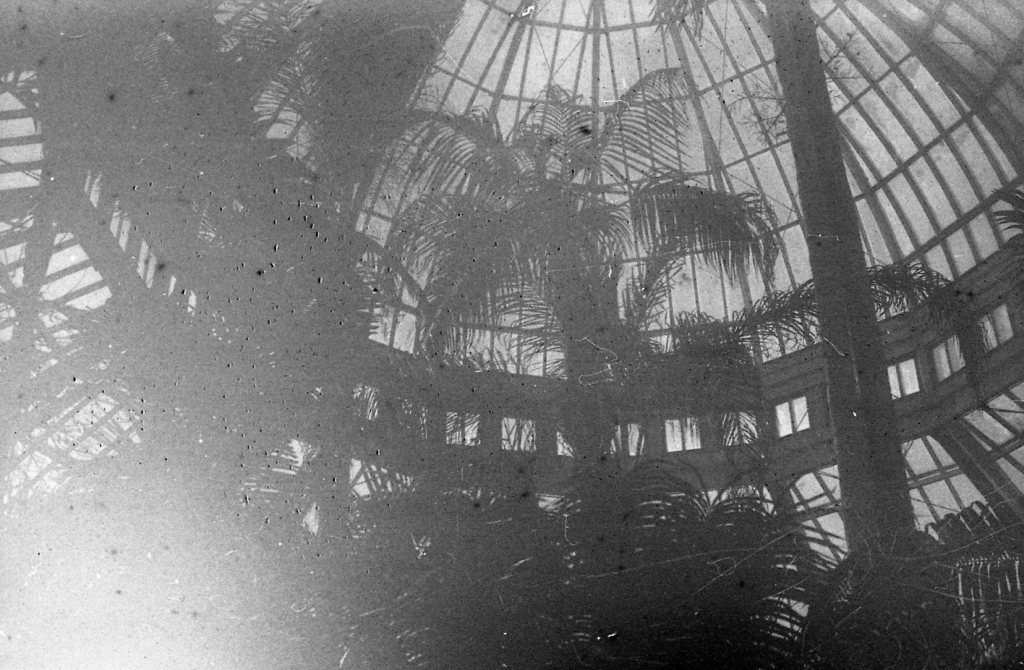
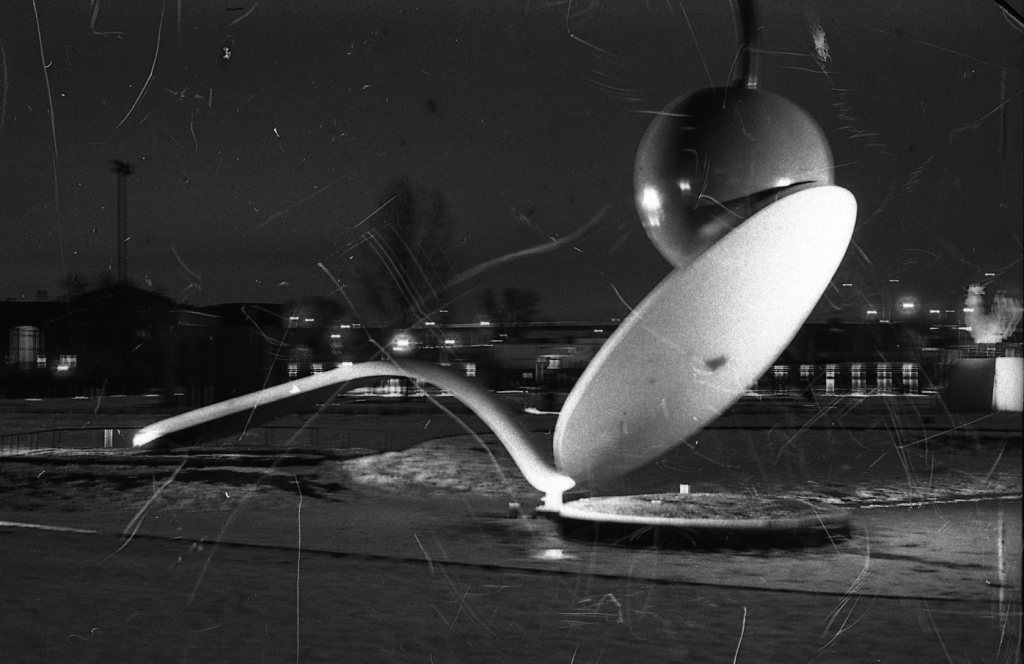
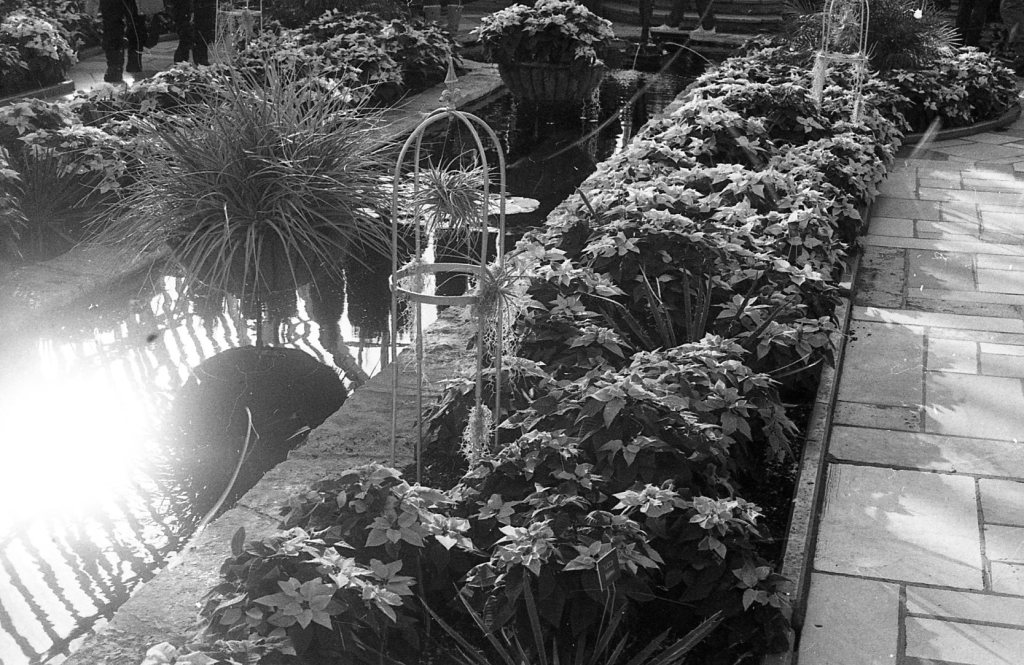
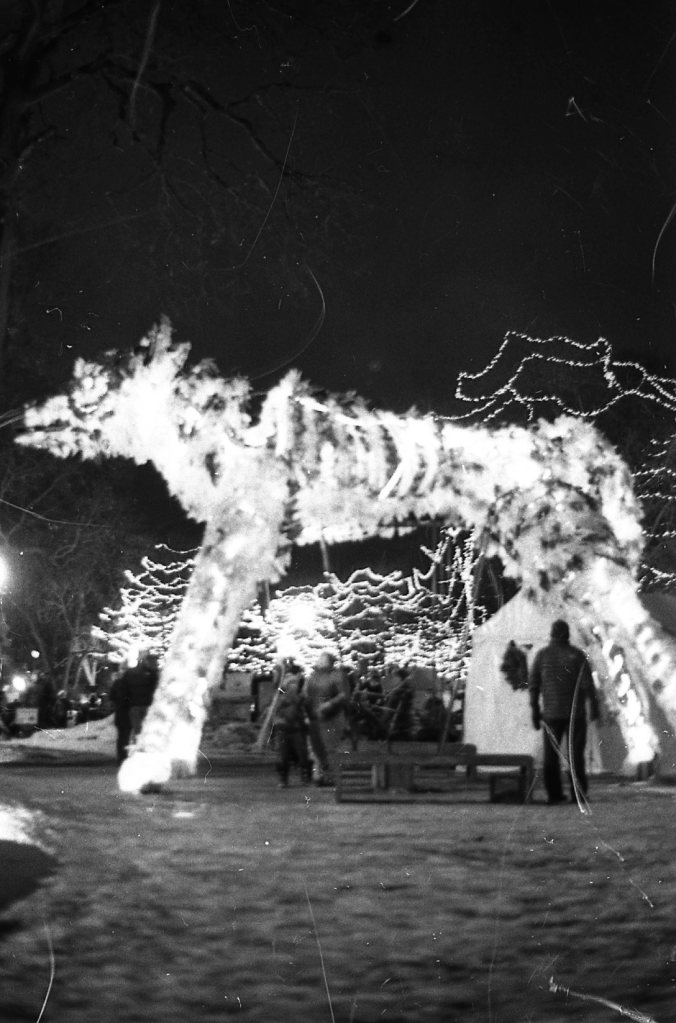
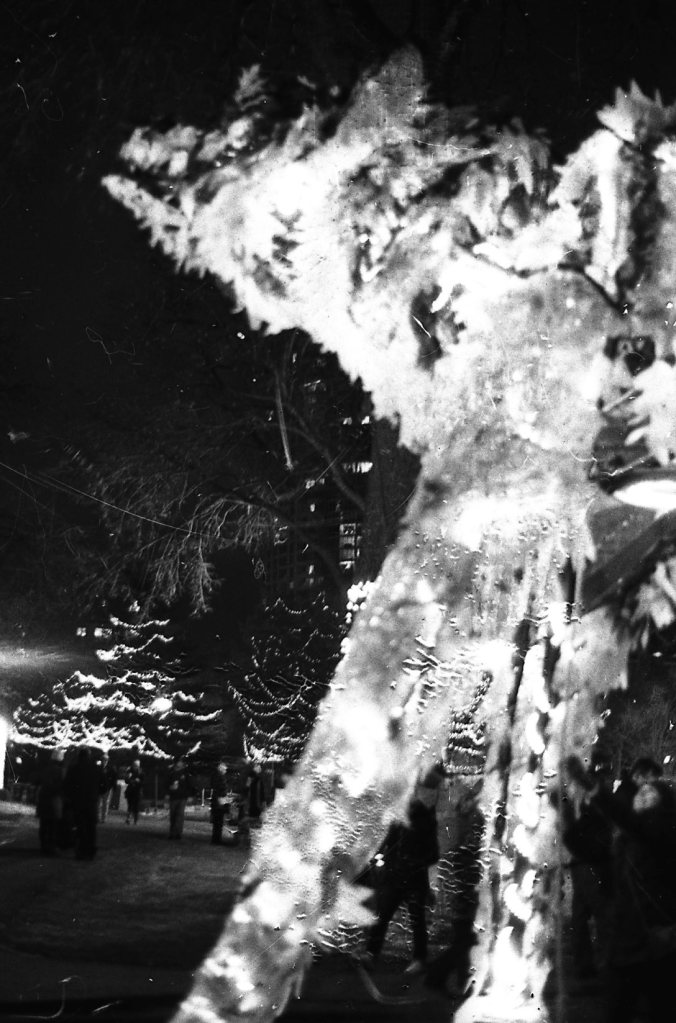
One more piece of interest below. When I first started learning to develop at home, I totally destroyed one of my rolls when I couldn’t get it to spool properly in the dark. I had thought this roll was a total loss because of the scars. I was hesitant, but took a look at them in a new light with my Epson. While they’re imperfect, they’re kind of beautiful to me now.
Camera: Minolta X-7A
Lens: Minolta MD 50mm 1:1.7
Film: Ilford HP5
 rebeccah.photo.blog