For a week in June, my friend Taylor and I traveled from Berlin to Wrocław to Warsaw, and met up with another friend, Hanna. This post picks up in Wrocław, headed towards Zamek Książ.
Camera: Olympus XA
Lens: Olympus F-Zuiko 35mm 1:2.8
Film: Fujifilm Superia X-Tra 400
Zamek Książ / Wrocław
Taylor and I woke up very early in the morning and met Hanna at the central train station, Wrocław Glowny. We immediately jumped on an intercity train headed to Świebodizce, a small village an hour by train from the city. The landscape is hillier here than in Wrocław, and we caught a taxi up in to the hills and to the gate of Zamek Książ.
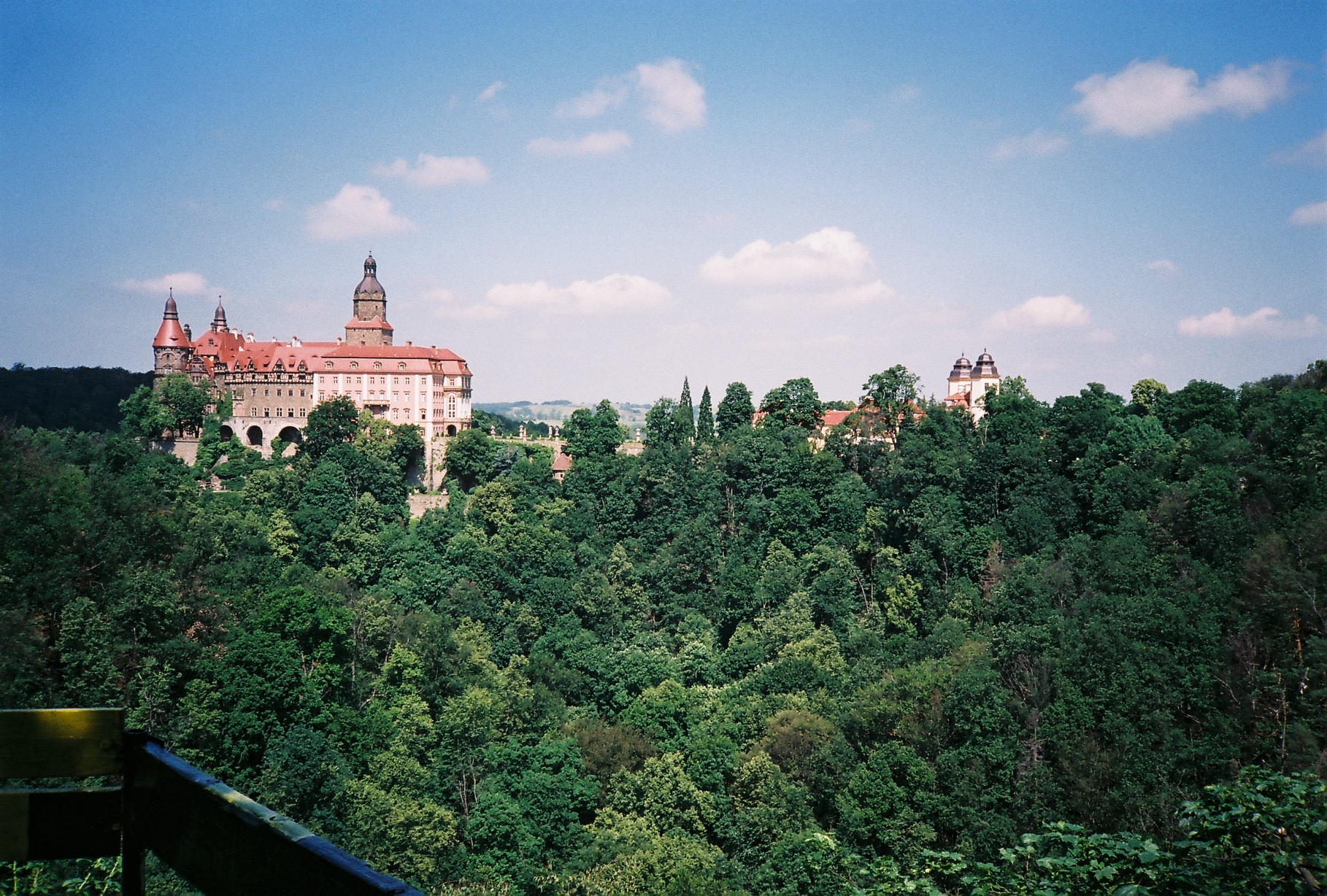
You cannot quite see the castle from the village, but it looms impossibly large once you get close. It is surrounded by a park and natural area, crisscrossed with hiking trails and a few other attractions (horse farms, castle ruins, the Palm House) nearby. The area is very hilly and a river cuts across somewhere below, heard but not seen. We breakfasted on eggs, bread, cheese, and espresso at the castle hotel and then purchased tickets for audio guides and a self-guided tour of the interior.
A short history – Zamek Książ sits on a site that had original fortifications built sometime in the 1200s. Over time it has passed through many hands, and had two main periods of construction, one in the 1400s and a second in the 1600s. During WW2 it fell to the Nazis who started construction on some mysterious underground tunnel complex which was never completed. Now it’s an event center and tourist attraction, offering tours of the castle itself, the grounds, and a center point of the larger natural area on which it sits.
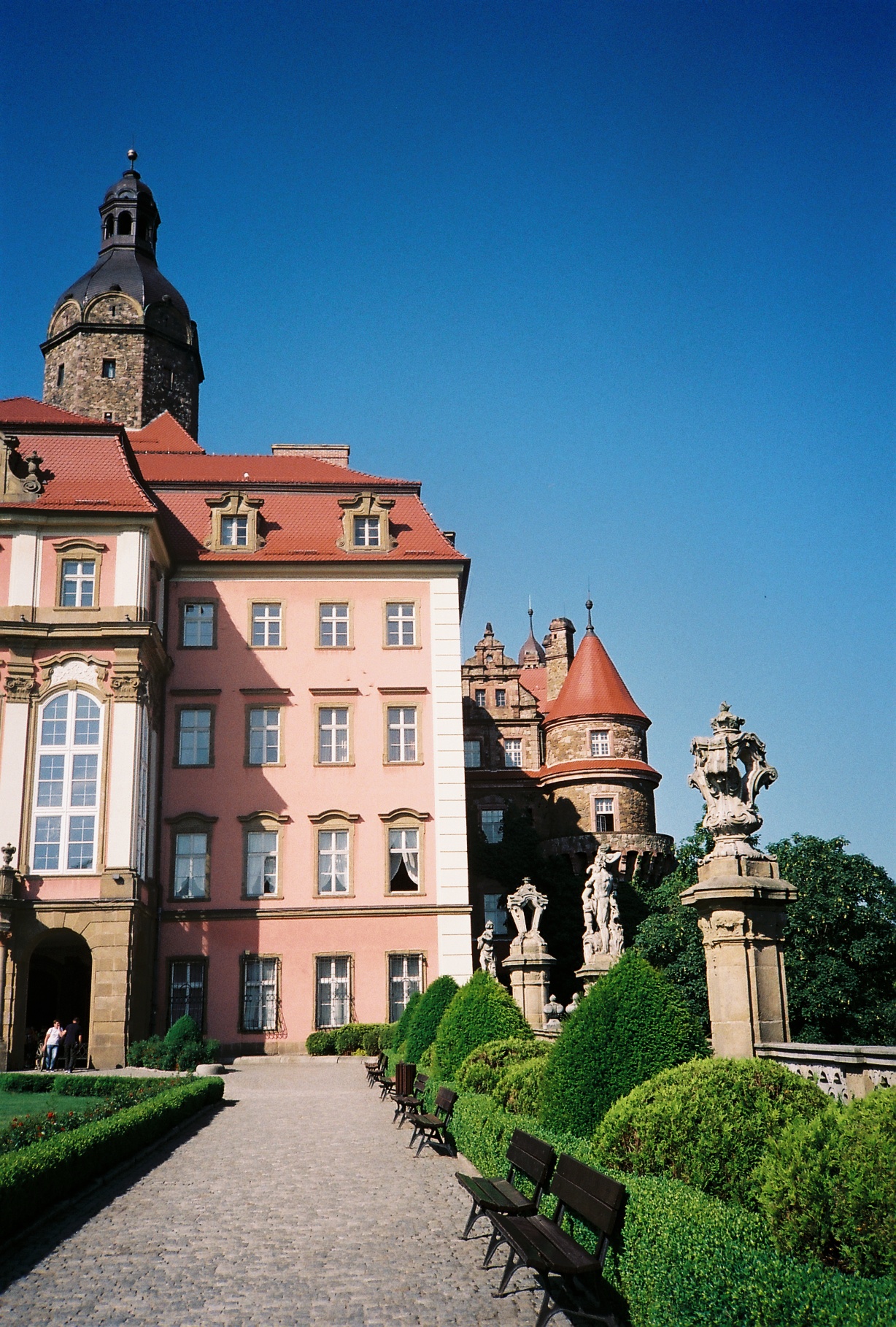
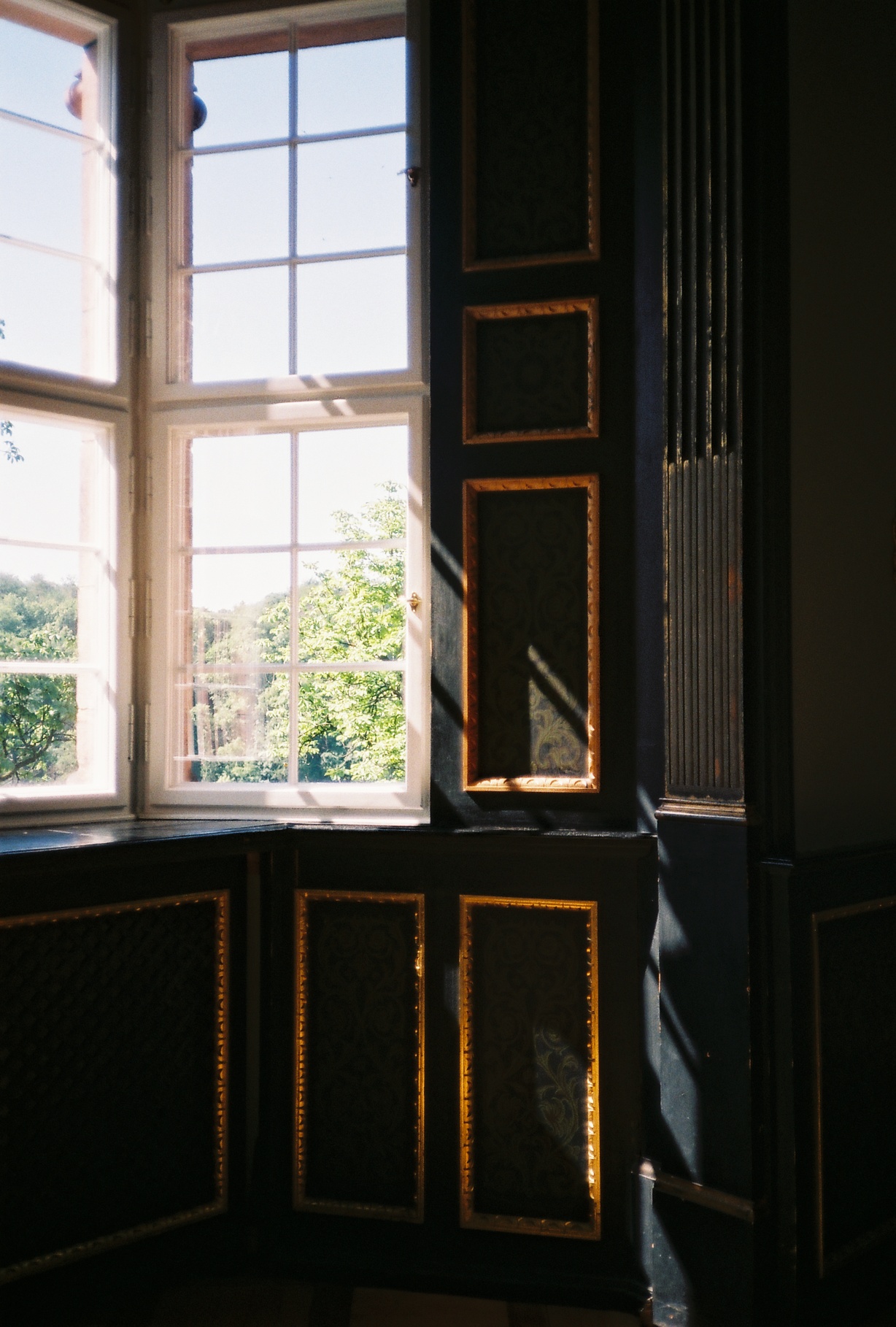
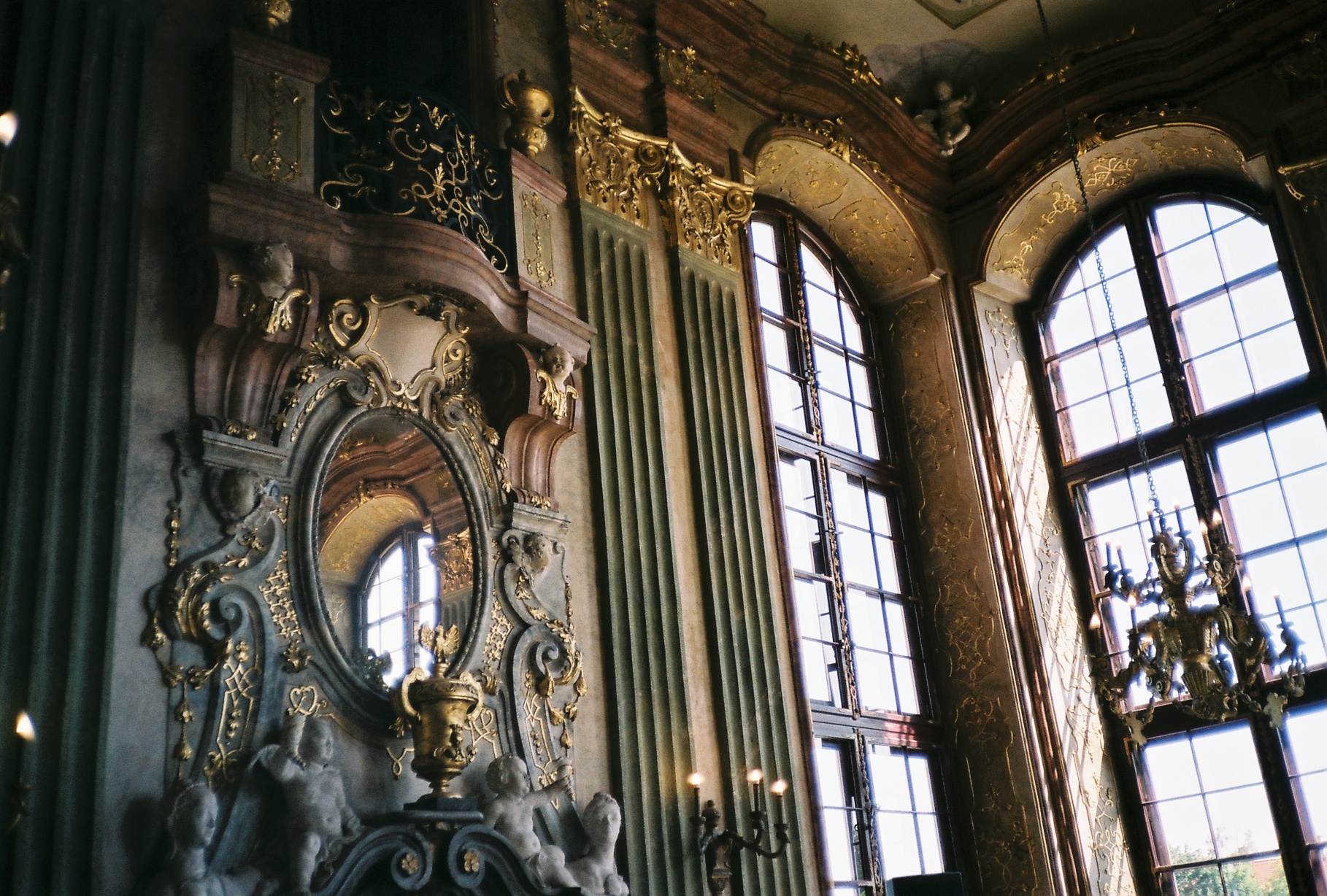
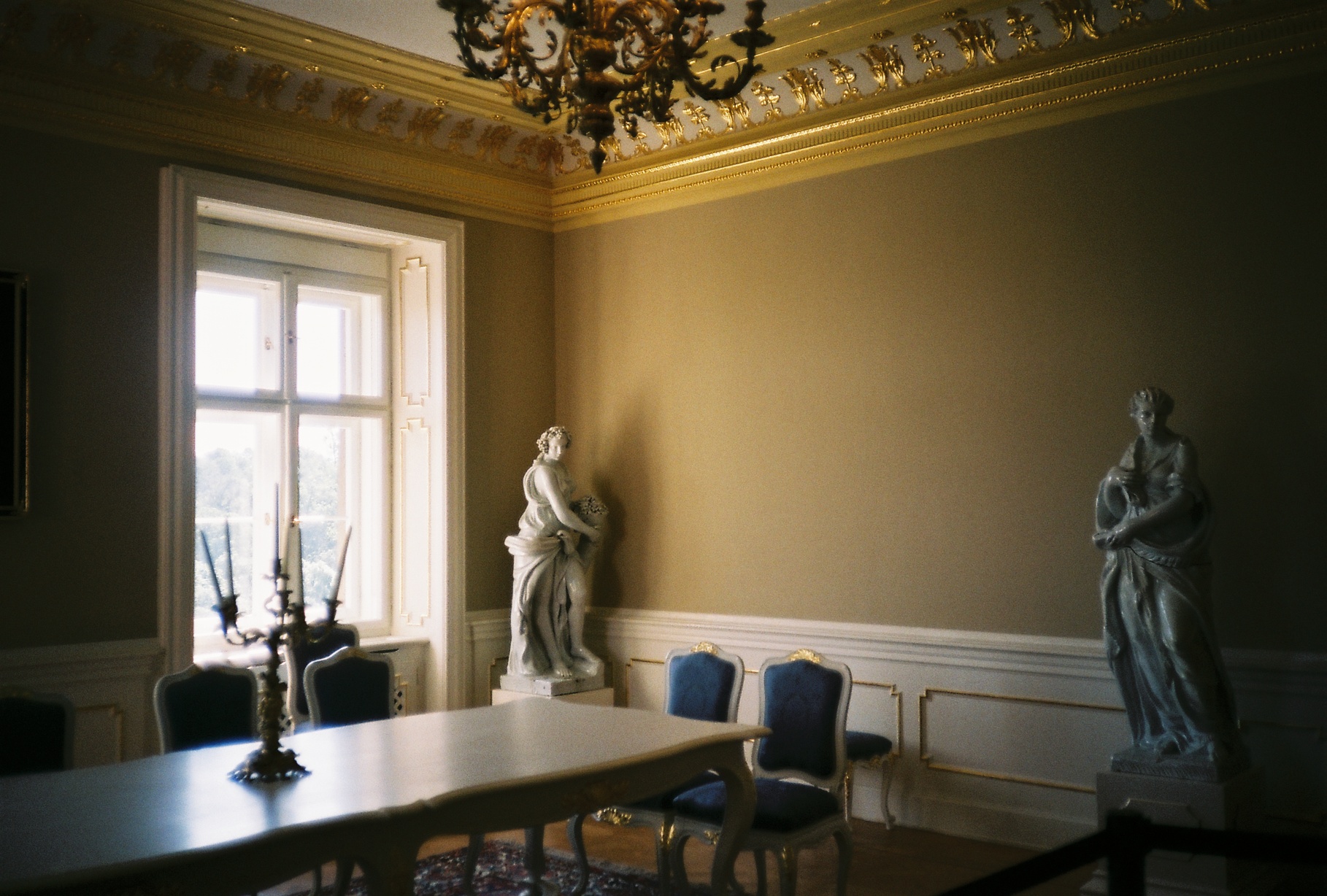
We toured the main castle on a guided route and with the assistance of an audioguide. I am fortunate to have been to palaces before when I lived in Vienna, but I had never been inside something this LARGE. You pass through room after room, sparsely furnished but beautifully restored, and each one seems grander than the next. You can feel the difference between the two different construction periods in the design of the castle – the older parts are darker, stone, less decorated but larger and the newer parts are ornately Renaissance-style.
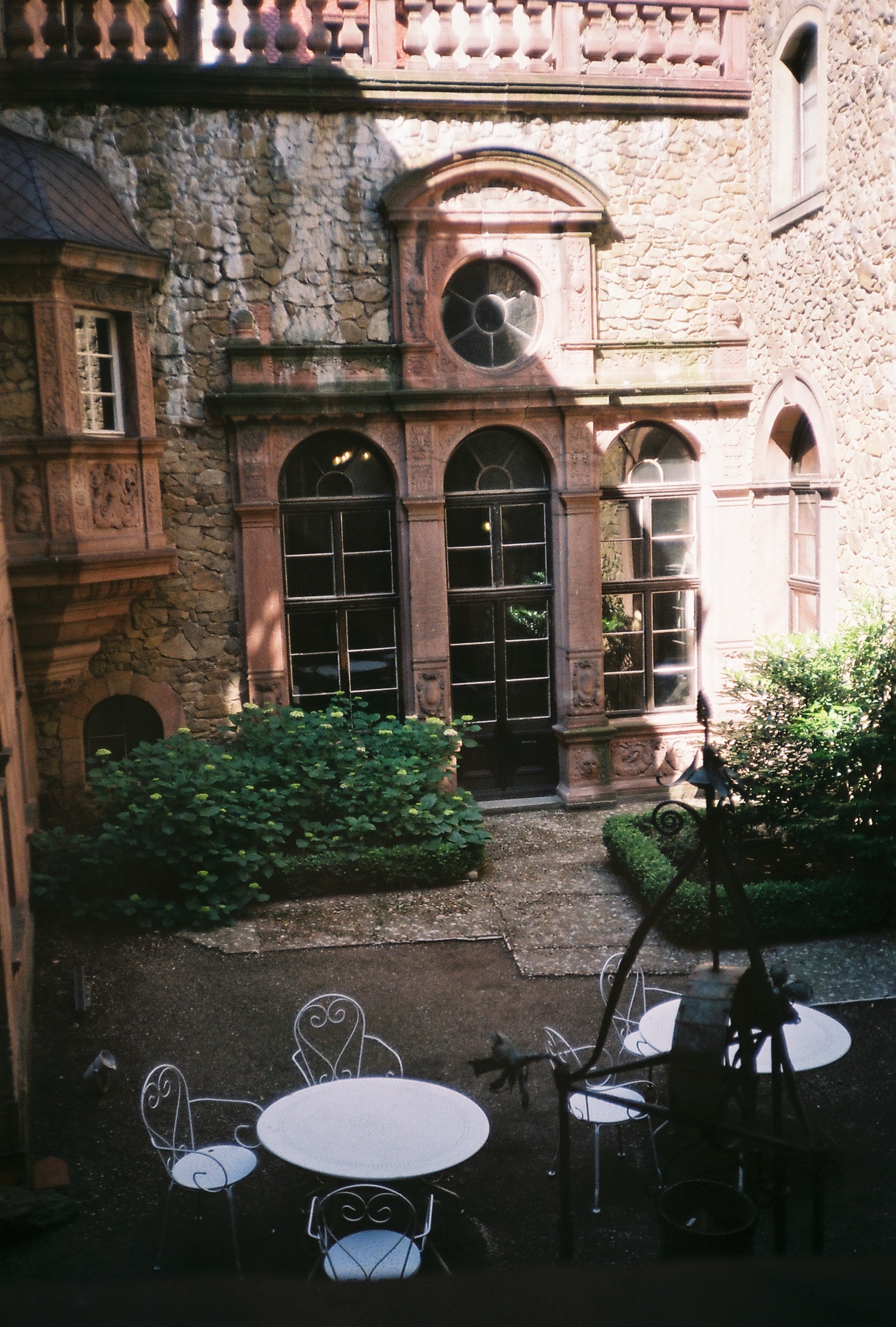
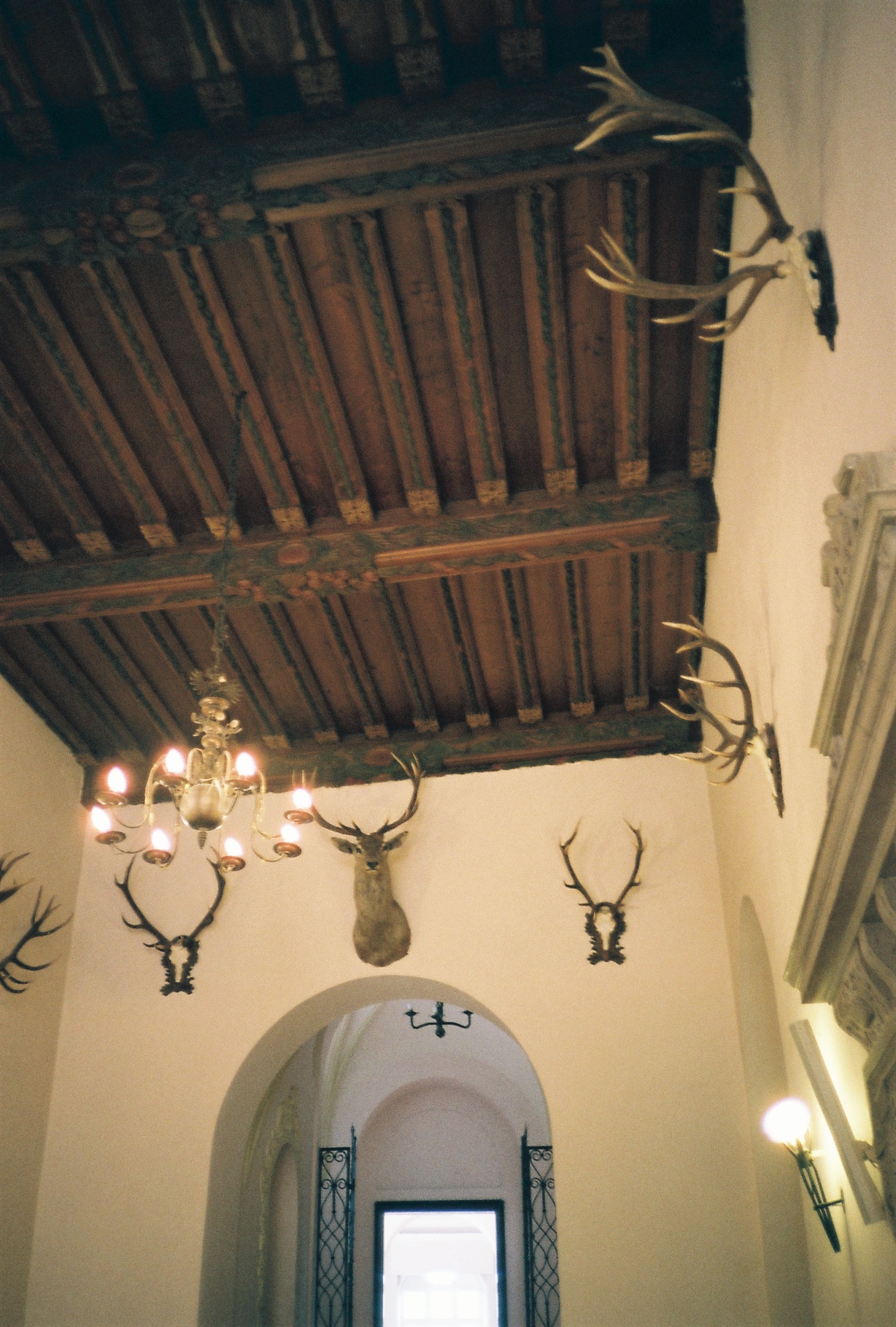
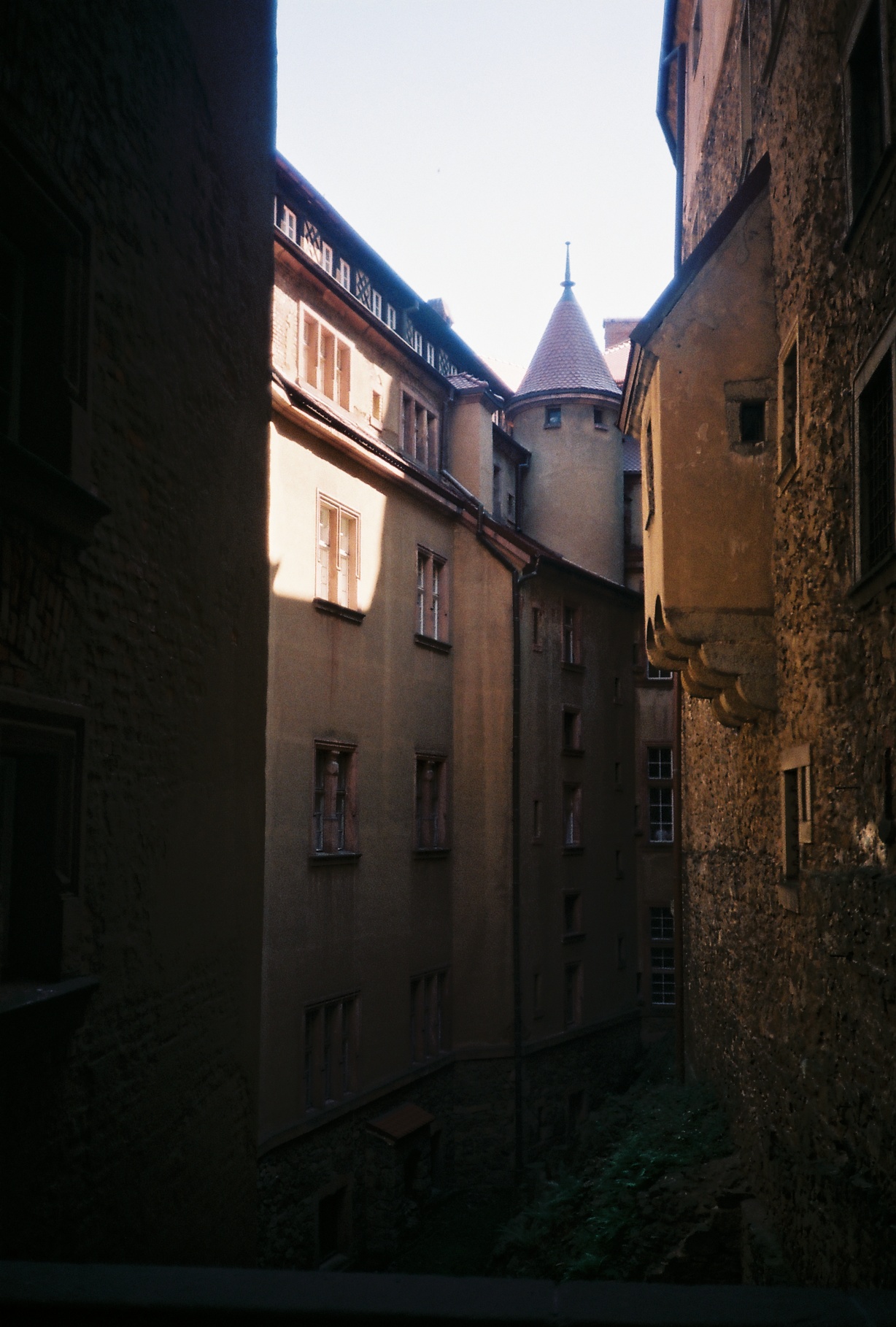
In the center there is an intimate courtyard called the Black Courtyard, which is every fantasy novel I’ve read in real-life. Particular highlights for me were this courtyard, the hunting room with viewing gallery, and the long medieval hallways connecting the old interiors. I am thankful we were on a guide and could not access all of the castle. With something more than 200 rooms, we would have been lost forever. In the basement, adjacent to the mysterious Nazi tunnels, you can touch the foundation rock on which the entire castle was built. When you get close, a harp tune plays from speakers, a charming and cheesy to nod to the belief that touching the stone brings good fortune.
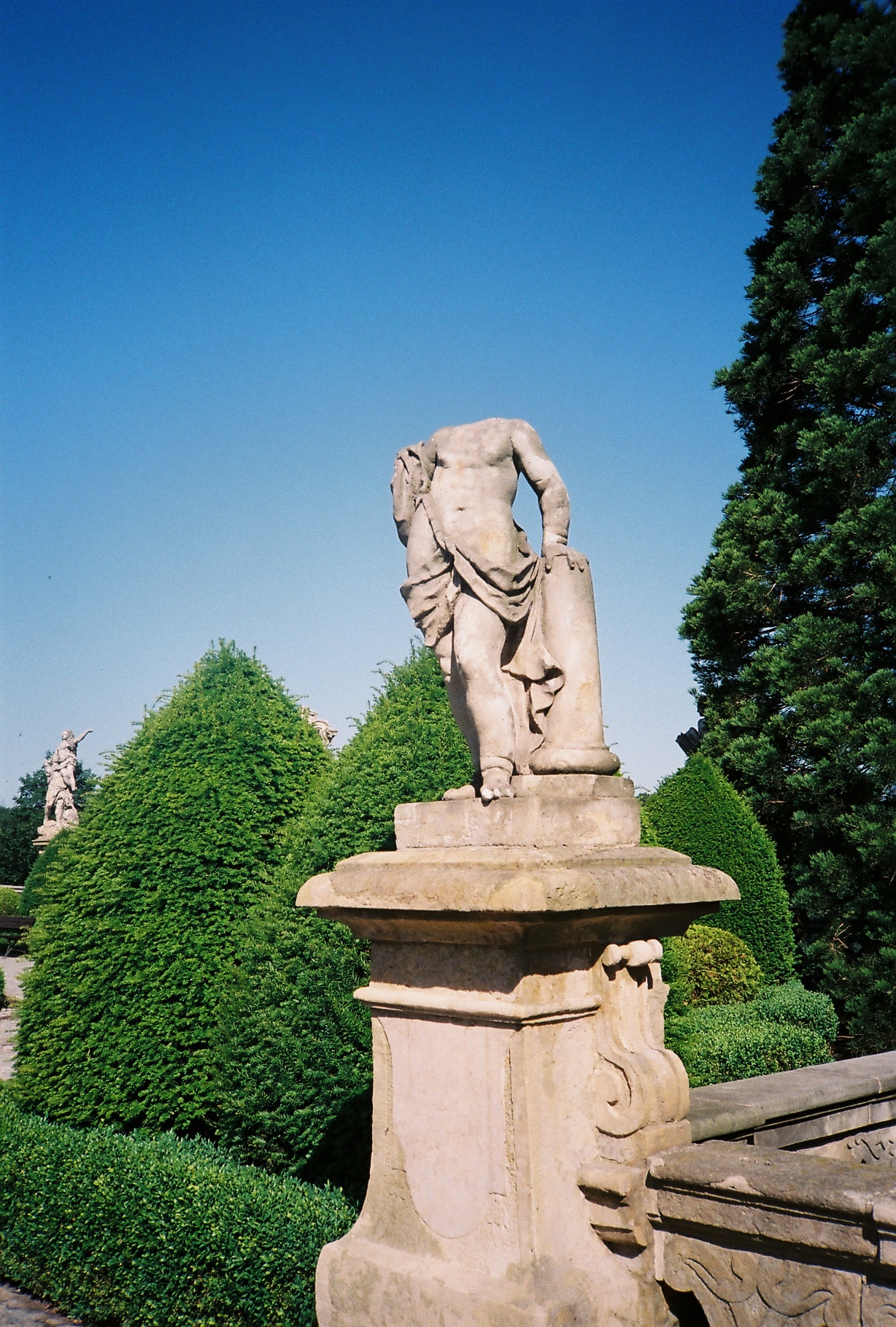
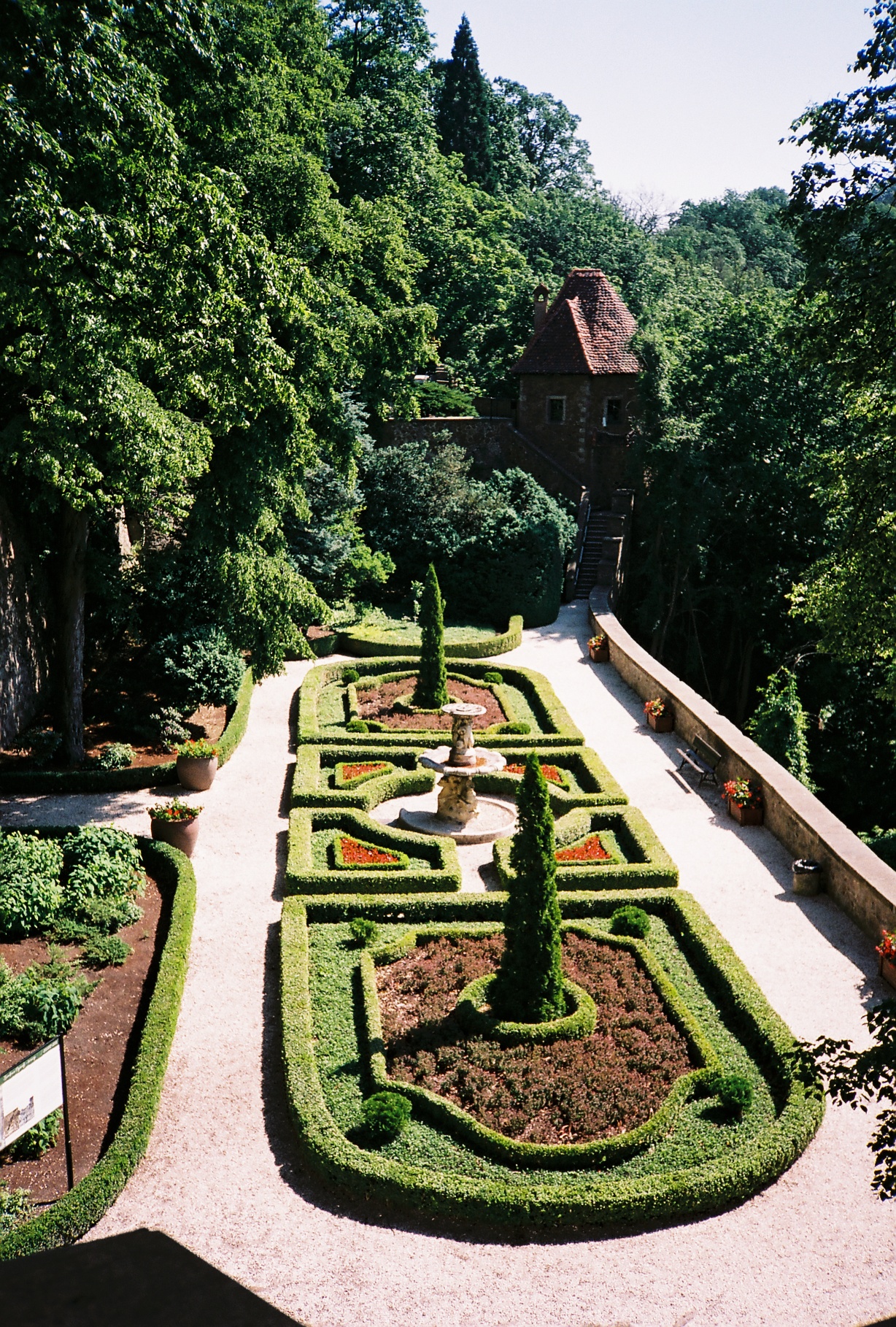
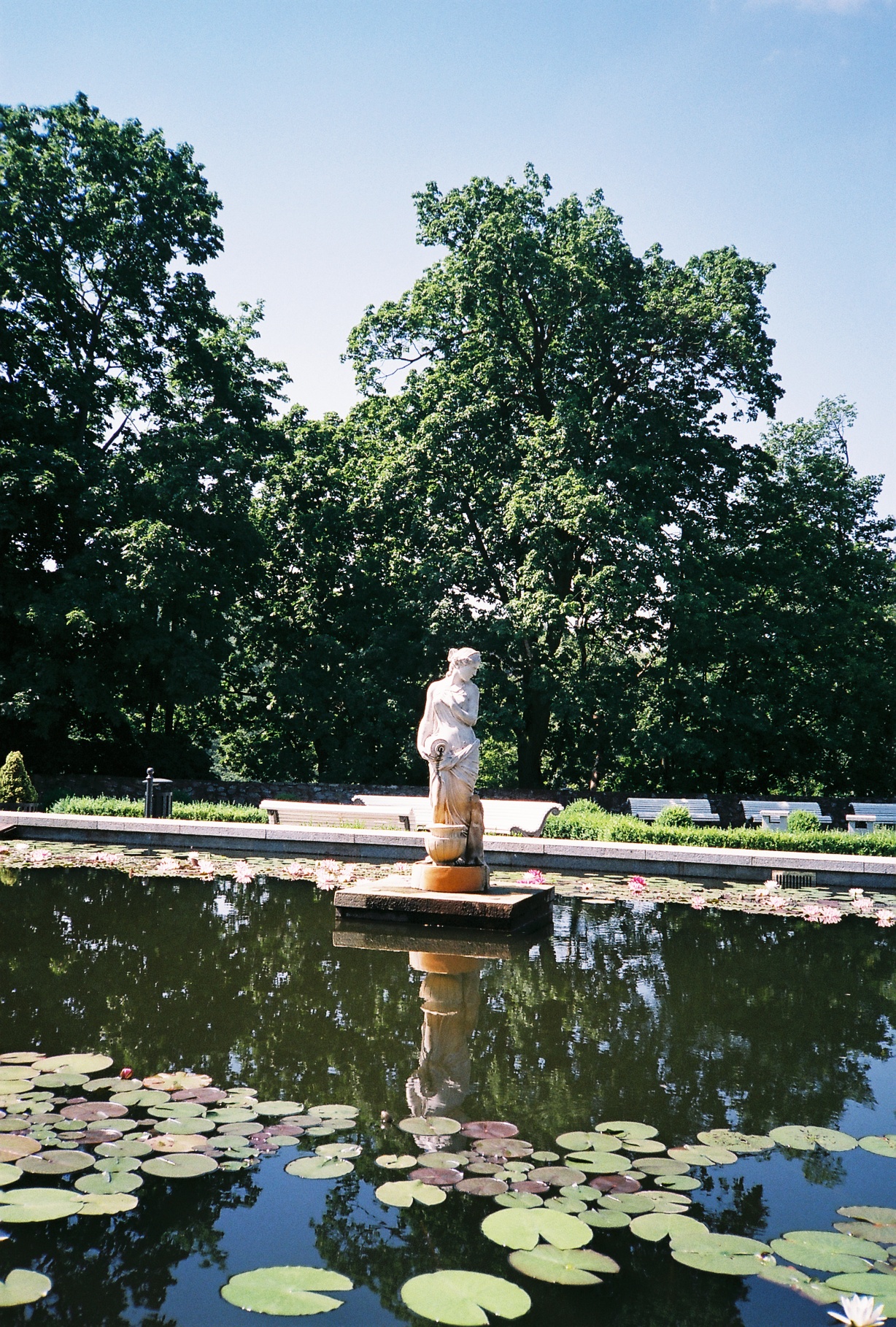
Outside, gardens upon gardens. There are 13 terraces total on the castle, and we barely scratched the surface in the 4 that we could walk through. We opted not to tour the tunnels, and instead spent most of the morning walking through the exquisite gardens and hiking a short distance to a scenic overlook that views the castle from a distance. Images do not do justice to how large this building is. You can see again from the outside the two main construction types, a trait of the castle which I found continually endearing. It was a warm and sunny day, and after stopping for some ice cream we took a downhill hiking trail back to the outskirts of the village. From there we returned to the train and back to Wrocław.
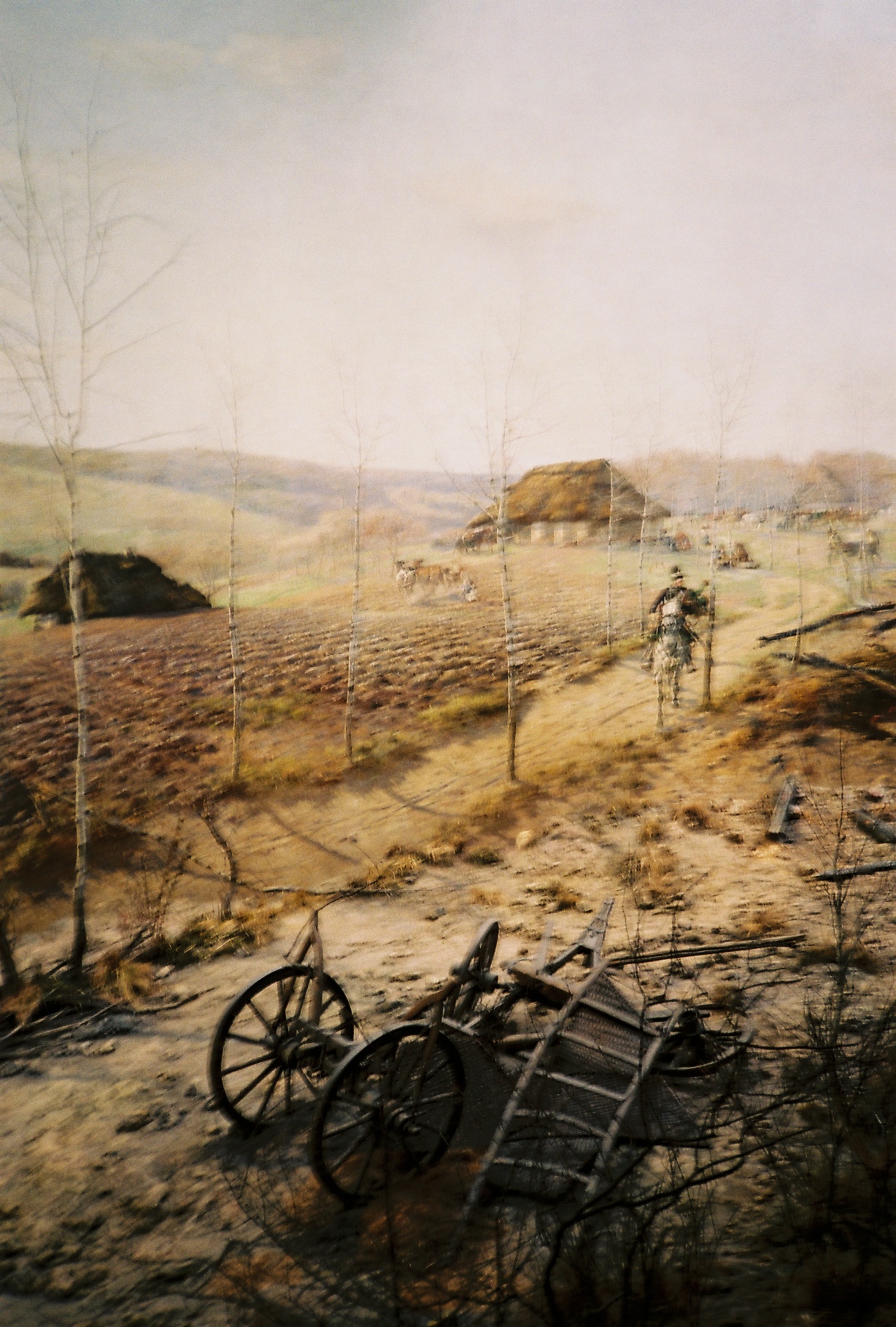
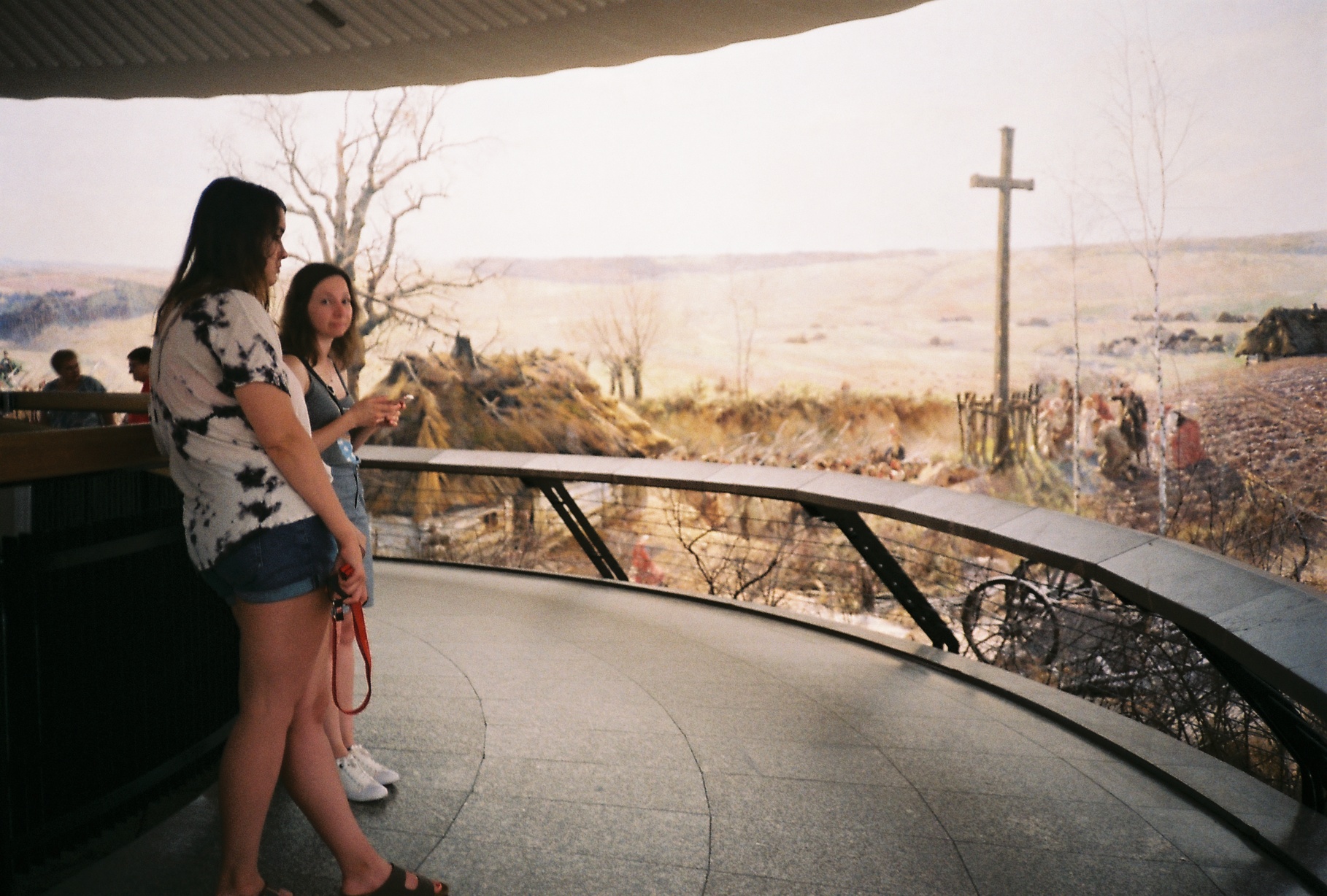
Once back to the city, Taylor and I took a short nap (early morning plus jet lag plus hot nights in the small apartment led to never feeling that we got enough sleep) and then returned to the museum for which we had bought tickets the previous day. The museum, Panorama Racławicka, is really a single exhibit – a massive 50′ high, 375′ around panoramic painting that surrounds the entire room. There are scenery items underneath the painting leading up to the viewing platform, so you often cannot tell where the painting begins and the ground ends. It depicts an important 1794 Polish battle to retain independence against the Russians, part of a war that was ultimately lost but the battle is remembered as an important victory.
As it was our last evening in the city, after viewing the panorama we traveled by tram and bus with Hanna to meet her partner for a traditional Polish dinner nearer to their apartment outside of the city center. The next morning Taylor and I would be departing and catching a train to Warsaw.
 rebeccah.photo.blog